An increasing number of villages in rural Spain are promoting sustainable tourism experiencesthat recover traditional trades and allow the traveller to discover the territory in a responsible, close and different way. Activities include weaving carpets, kneading and baking bread, caring for bees and collecting honey, learning to make cheese or assembling a bulrush chair. Practical workshops where the visitor not only observes but also participates, learns and integrates into the rural surroundings, supporting local economies and contributing to the preservation of ancestral knowledge. Quite different from conventional tourism, many of these experiences exist thanks to initiatives such as I am an Ecotourist, which promotes activities in destinations in or near protected natural areas.
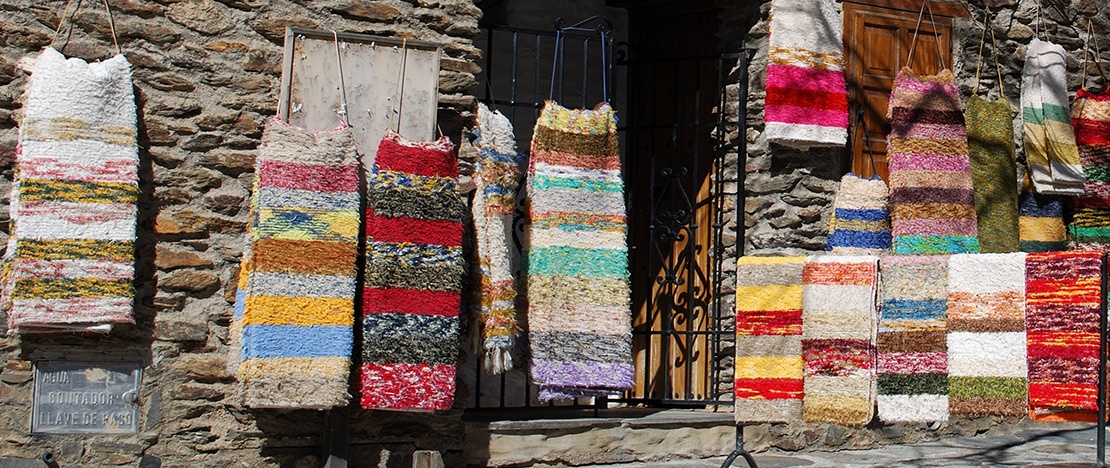
Weave a tapestry or a jarapa in Bubión (Granada)
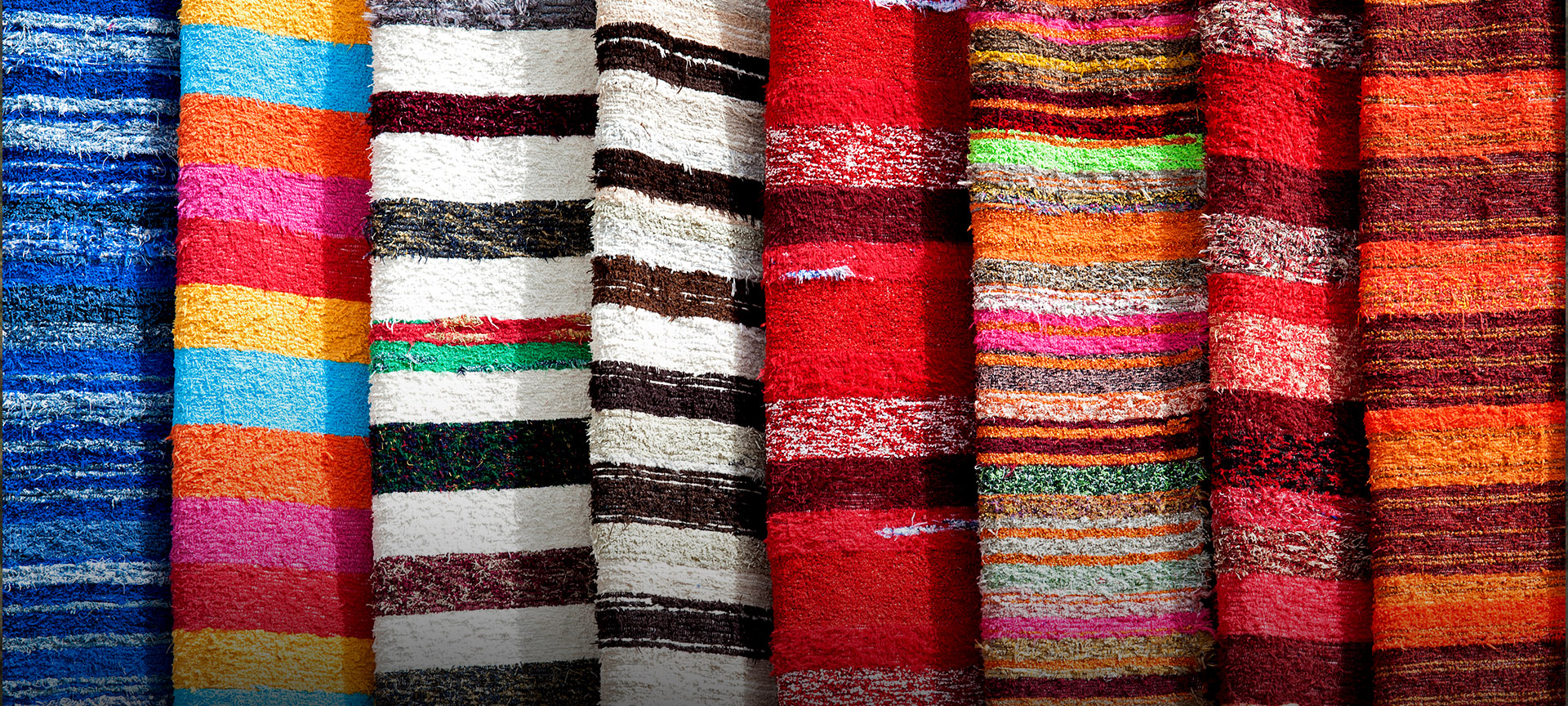
In the Alpujarra of Granada, between imposing mountains, the weaving of jarapas (a type of traditional carpet) is an important part of its cultural identity. And this activity invites you to discover a trade linked to the use of wool and domestic life in the district. What you will do: you will learn how a century-old loom works and how to combine the characteristic colours and designs of the area. A practical way to understand the value of local crafts. And also: visit the Alpujarreña House Museum, with more than 500 objects that show what traditional life was like in this district of Granada. More information at this link.
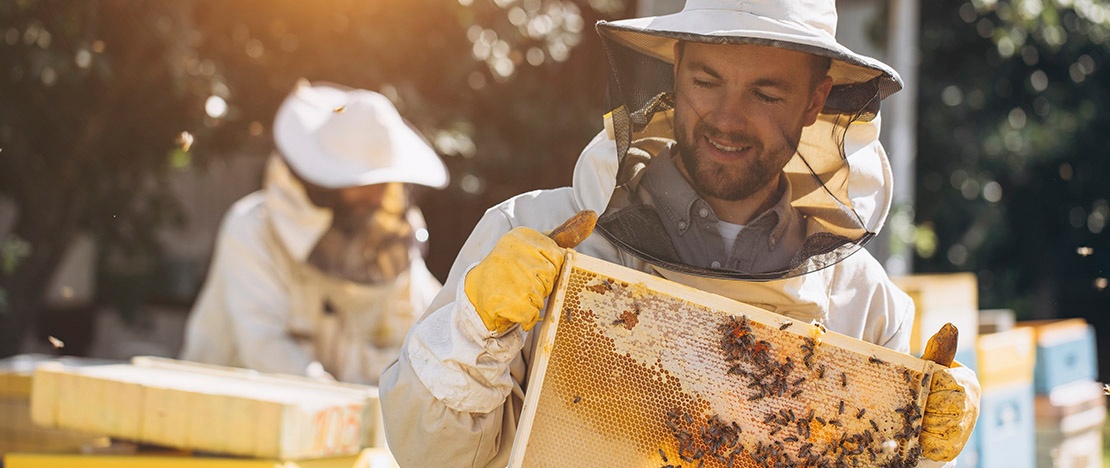
Beekeepers for a day in Fuentes del Narcea and Caso (Asturias)
For centuries, in the breathtaking natural landscapes surrounding the villages of Fuentes del Narcea and Caso, beekeeping has been a fundamental pactivity for the economy of the area. At the same time, pollination by bees is essential for generating and preserving biodiversity. What you will do:You will accompany the local beekeepers in their work, helping both in the care of the hives and in the extraction and packaging of the delicious honey and other bee products; wax, pollen and royal jelly. And also: explore the Muniellos Biosphere Reserve, one of the best preserved oak forests in Europe and thought to be the largest in Spain. Plus, the Natural Park of Fuentes de Narcea, habitat of the brown bear, among many other valuable species. More information at this link and also here.
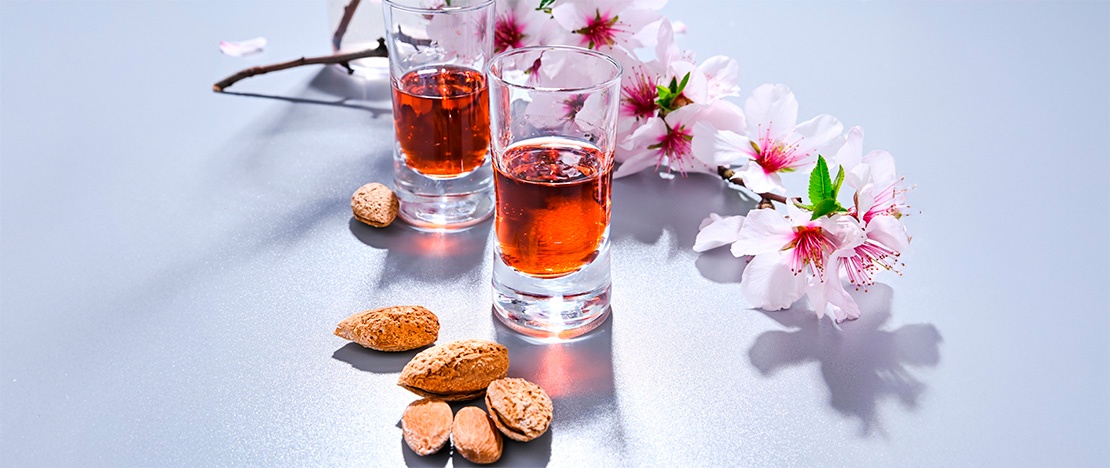
Make ratafia in Montseny (Barcelona)
Ratafia is a traditional liqueur linked to Montseny Natural Park. In this experience you will combine an excursion to identify wild herbs and fruits with a practical workshop to make this liqueur, following traditional recipes. What you will do: join an expedition to identify and collect botanical products in their optimum period, which you will use to make your own ratafia, following the traditional recipe and macerating them in alcohol. If you are over 18 then you can try this drink. And what's more:discover the important collection of medieval buildings in the area. For example, the castle of Miravalls and the chapel of Santa Anastasia, from the 12th century. More information at this link.
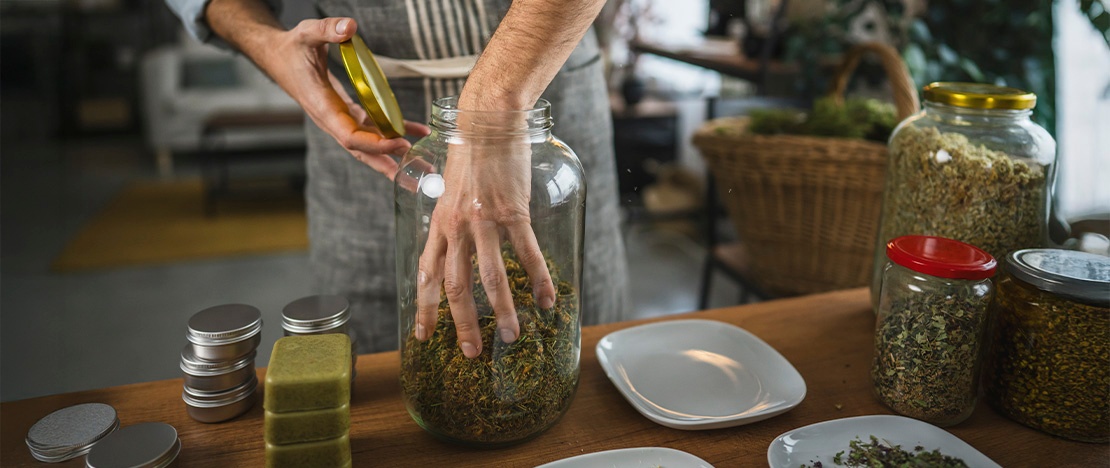
Become an alchemist and herbalist in the Sierra de Espuña (Murcia)
For centuries, medicinal plants were the main source of health care. In the surroundings of Murcia's Espuña mountain rangethis activity offers you the chance to recover this tradition while you make natural ointments and preparations. What you will do:You will learn to identify local botanical species, understand their traditional uses and make products for everyday care. A curious experience that allows you to combine knowledge about plants and authentic popular culture. And also: the Senda del Caracol, a zigzagging track that leads to a plateau at an altitude of 1,500 metres above sea level, with views over all of the Sierra de Espuña mountains. More information at this link.
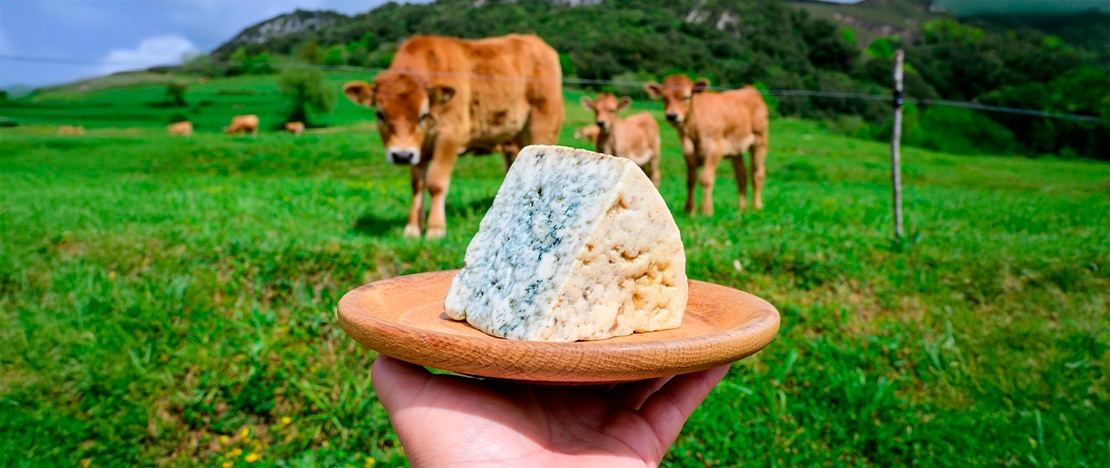
Learn how to make cheese in Cabrales (Asturias)
Cabrales cheese is one of the most iconic products of Asturian cuisine and a clear example of how tradition and sustainability can go hand in hand. In this experience you will accompany local producers to learn about the most important steps of the artisanal cheese making process. What you will doFrom the management of the cattle to the maturing of the cheeses in the caves, you will see how milk is transformed into this unique gastronomic product. You will also learn how these crafts influence the rural economy and the balance of the natural environment of the Picos de Europa. And also:visit the Casa Bárcena, a typical traditional Asturian building from the 17th century. Today it houses the visitor centre of the Cave of La Covaciella, known for its cave paintings. More information at this link.
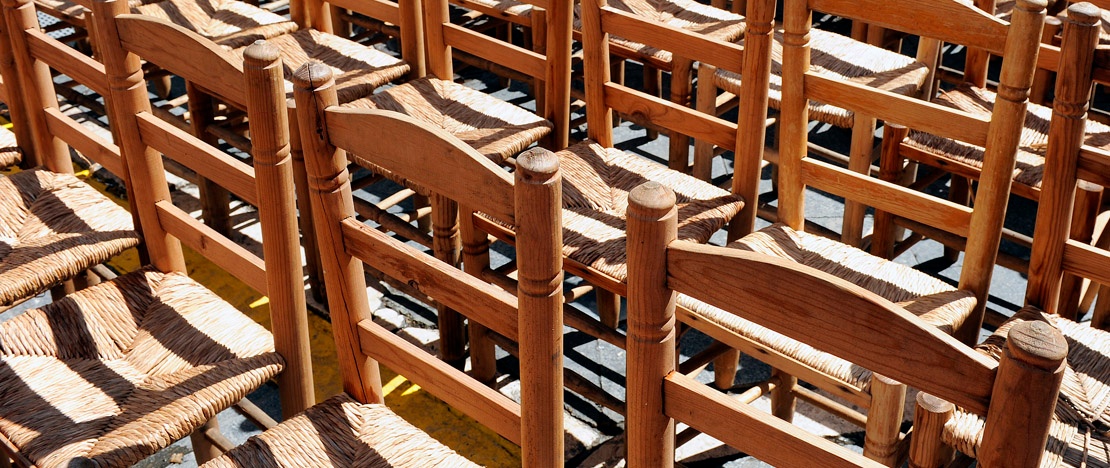
Make your own chair with rushes in El Borge (Málaga)
Bulrush is the name of a herbaceous plant that grows near wetlands and also of the textile fibre obtained from it. Artisans in Bubión, an inland town in Málaga province, use this natural product to make the seats and backs of beautiful chairs. They are still used in many villages in the country. What you will do: in this workshop, led by the Oficios Vivos organisation, you will take part in gathering the rushes, drying and plaiting them bulrushes, until you complete your own handmade chair, which you can take home as a souvenir. And also: El Borge is home to the Museo de Artes Populares El Sarmiento, a small museum of folk art and crafts, with many objects originally made in the town.
These are just a few examples of what you can see and do in the villages of Spain, where tradition, nature and culture come together to offer travellers an authentic experience.. If you want to continue exploring Spain in an active and sustainable way, www.spain.info offers many more ideas.