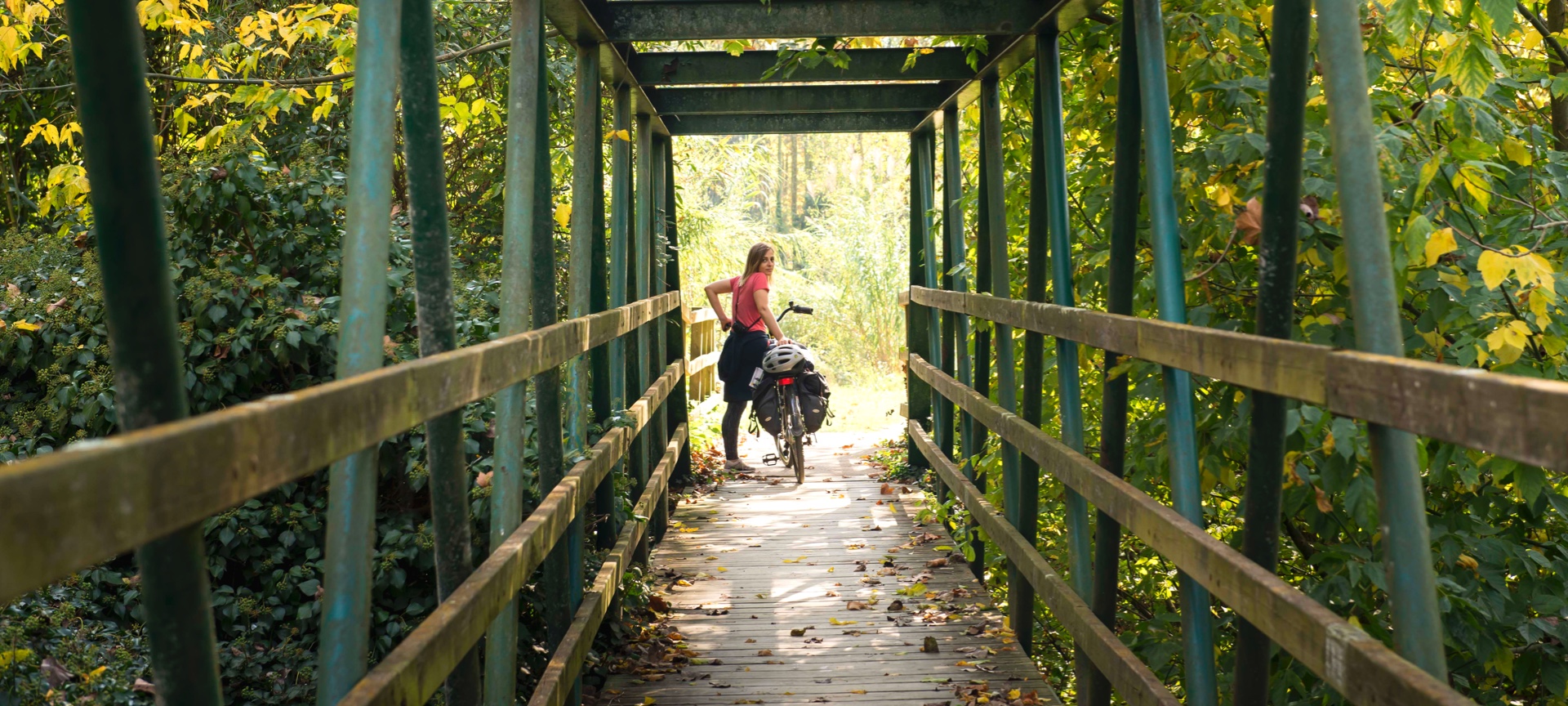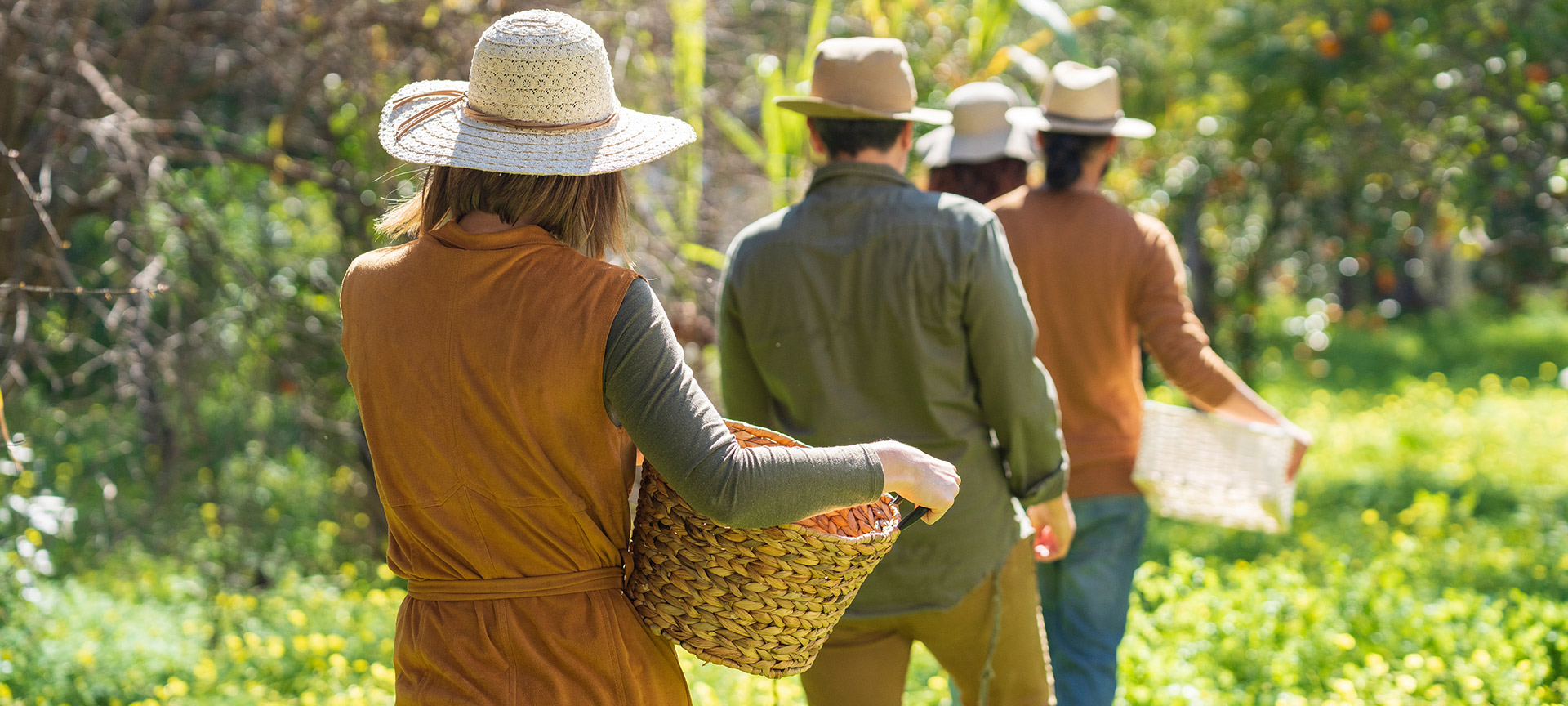
All human activity leaves its mark. So does travelling. But that impact can be positive! If you want to experience what it feels like to contribute to improving the destination you visit, regenerative tourism is for you.For this form of sustainable tourism, you need to choose a place where your presence (or even your volunteering!) will be beneficial for the ecosystem, heritage, culture and consumption in the local area. We suggest five fascinating trips. Which one will you go for?
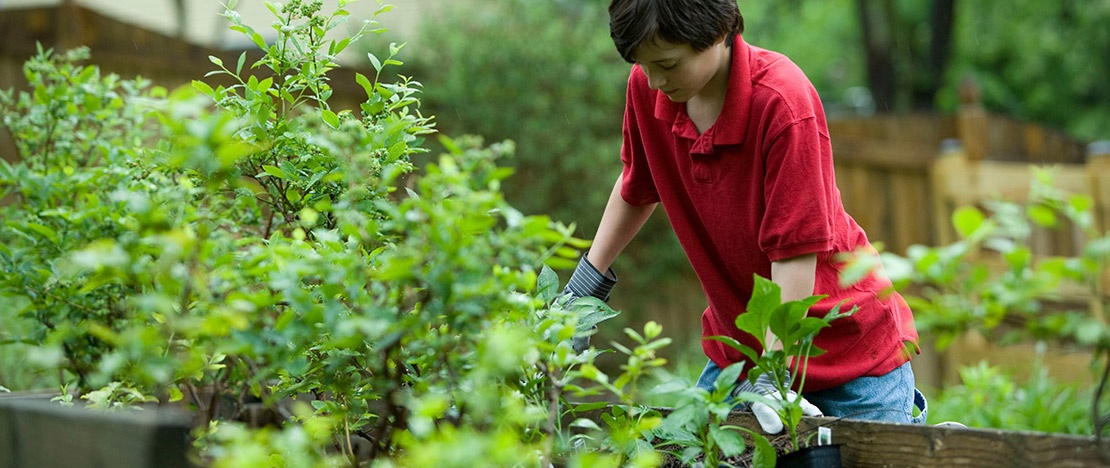
Be an organic farmer in Cantabria
- The setting: in the heart of Green Spain, in the mountainous north of the country.- What you will do:Cantabria is a land of forests, meadows and cows. In this idyllic setting, you can sign up to volunteer to look after the animals and gardens on an organic farm. One of the advantages of agro-livestock ecotourism is the knowledge and good practices you will learn.You can search for your destination on WWOOF Spain, a network that connects these farms with volunteers. Another original agrotourism adventure in the area could be to help bring an Iron Age Cantabrian settlementto life, a real experimental archaeology challenge!- Nearby visits: enjoy stunning mountain scenery, such as that of the Saja-Besaya Nature Reserve or the Picos de Europa National Park; discover a privileged coastline, part of which is recognised as a UNESCO World Geopark; or explore world-famous caves, such as Altamira, the cradle of rock art, or El Soplao, "the Sistine Chapel of Geology". You can also explore charming towns such as Santillana del Mar, Comillas, Potes, Liérganes, etc., and the capital, Santander.
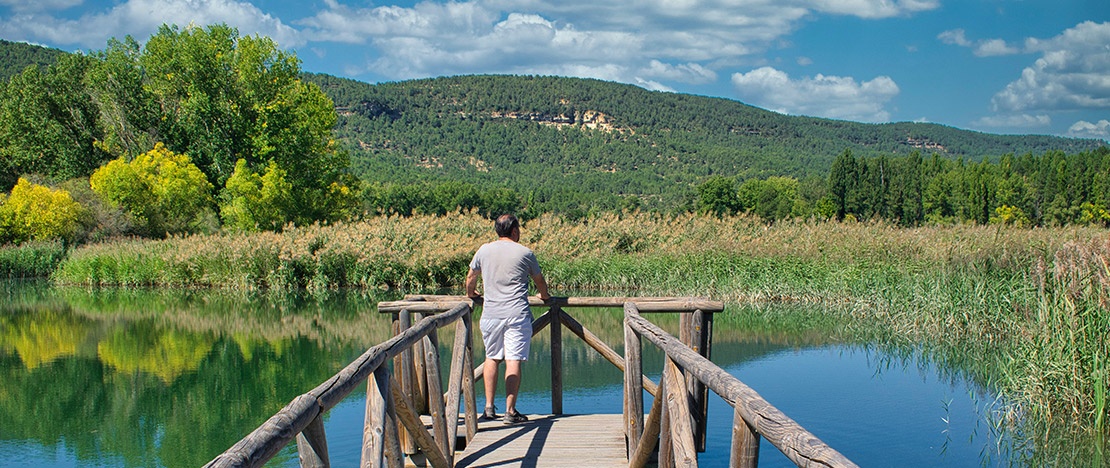
Restore the wild side of the Southern Iberian system
- The setting: a sparsely populated area in eastern Spain, comprising mountain ranges, plains and canyons between the provinces of Guadalajara, Cuenca and Teruel.- What you will do: support the ecological restoration of this vast territory. How? Signing up, for example, for one of the 'wildest' volunteer programmes in Spain: the Spanish Renaturalisation Foundation's 'Rewilding Spain'.It consists of a wide range of activities, from wildlife monitoring to path improvements, removal of barbed wire, nature photography or even guiding groups of visitors. The programme usually runs from February to November and the minimum stay is one month.You will contribute to the recovery of its wild splendour, creating conditions for the return of species such as the Iberian lynx and for this wealth to provide opportunities for its peoples.- Nearby visits: the area is home to protected areas such as the Alto Tajo and Serranía de Cuenca natural parks. You can also take the opportunity to visit places of great medieval charm, such as Albarracín (Teruel), Molina de Aragón (Guadalajara) or Cuenca, a World Heritage Site.

Pottery from the field to the shelf: Salvatierra de los Barros
- The setting: a town of around 1,500 inhabitants in the centre of the province of Badajoz (Extremadura), in the southwest of the country.- What you will do: Sustainable rural tourism where you can simply watch their master potters creating art and buy their product, thus helping to ensure that their invaluable traditional craft does not disappear. Although in the past, practically the whole village made a living from pottery, today there are barely a dozen pottery workshops left.Salvatierra's precious pottery can be considered entirely local because it uses a lot of raw materials from its own fields. Visit the live sessions offered by some workshops and visit the Pottery Museum.- Nearby visits: in Salvatierra de los Barros itself you can visit a magnificent castle and there are also several hiking routes. A short distance away you will find beautiful white villages such as: Jerez de los Caballeros, Olivenza, Zafra, Almendralejo and Fregenal de la Sierra.
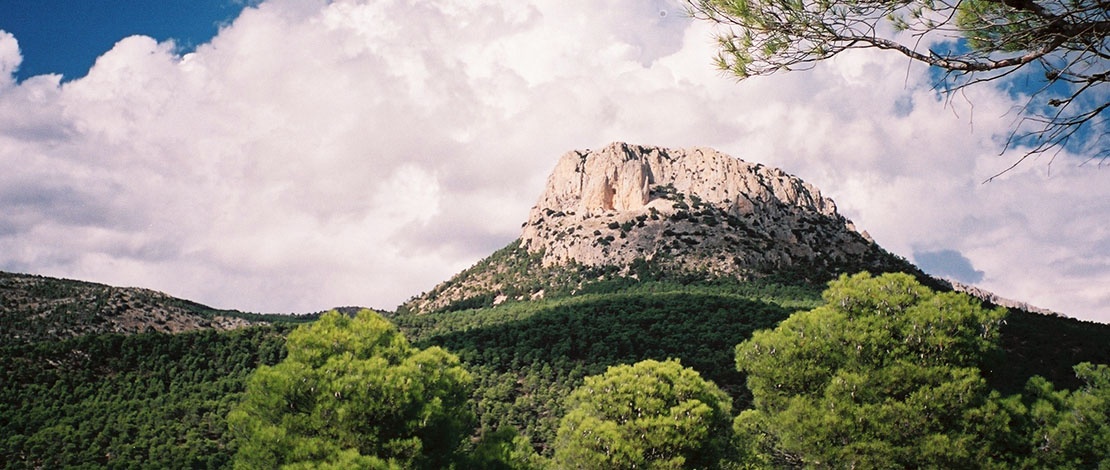
A model for forestry restoration: Sierra Espuña
- The setting: in the heart of the Region of Murcia, in the south-east of Spain, this protected mountain range enjoys the particularity of being almost the same distance from the famous Murcia market garden and the Mediterranean Sea (less than 40 kilometres).- What you will do: Did you know that the Sierra Espuña landscape that you can enjoy today is a prime example of hydrological-forest restoration in Europe? At the Ricardo Codorníu Visitor Centre you will discover how, at the end of the 19th century, work was undertaken to recover its completely deforested mountains.But here you don't just observe: you participate. During your stay you will be able to connect with the territory through its traditional disciplines and knowledge, learning to work with wicker and wood, making preparations with medicinal plants or going into a workshop to shape artisan breads and sweets.- Nearby visits: in Sierra Espuña you can enjoy a delicious gastronomy, based on local, organic and kilometre zero products. You can also learn about the regenerative activity carried out by agricultural and livestock farms in nearby villages such as Mula, Bullas and La Junquera.
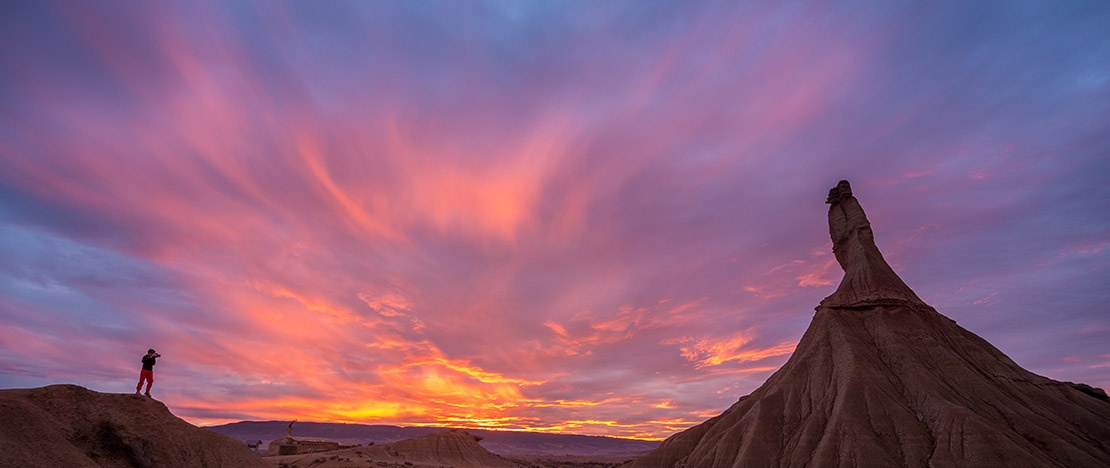
Take care of Navarre while you get to know it
- The setting: region in the north of Spain rich in traditions and nature.- What you will do:Navarre has unified its regenerative tourism under the brand Huella Positiva (positive footprint). You will find a wide variety of short (usually one-day) volunteering activities to help improve its countryside and villages. You can help repair the trails and look after the horses in the Sierra de Aralar; build and install nesting boxes for birds of prey the Bardenas Reales desert; spend a day collecting fresh produce at a farm-school and much more.- Nearby visits: you will be surprised by the diversity of the Navarrese landscape, with forest gems such as the Irati Forest or the Señoría de Bertiz. Castles, palaces, stately buildings, bridges and a lot of history await you in Estella, Olite, Sangüesa and Pamplona.
Continue discovering other original ways of getting to know Spain by visiting the official tourism website.