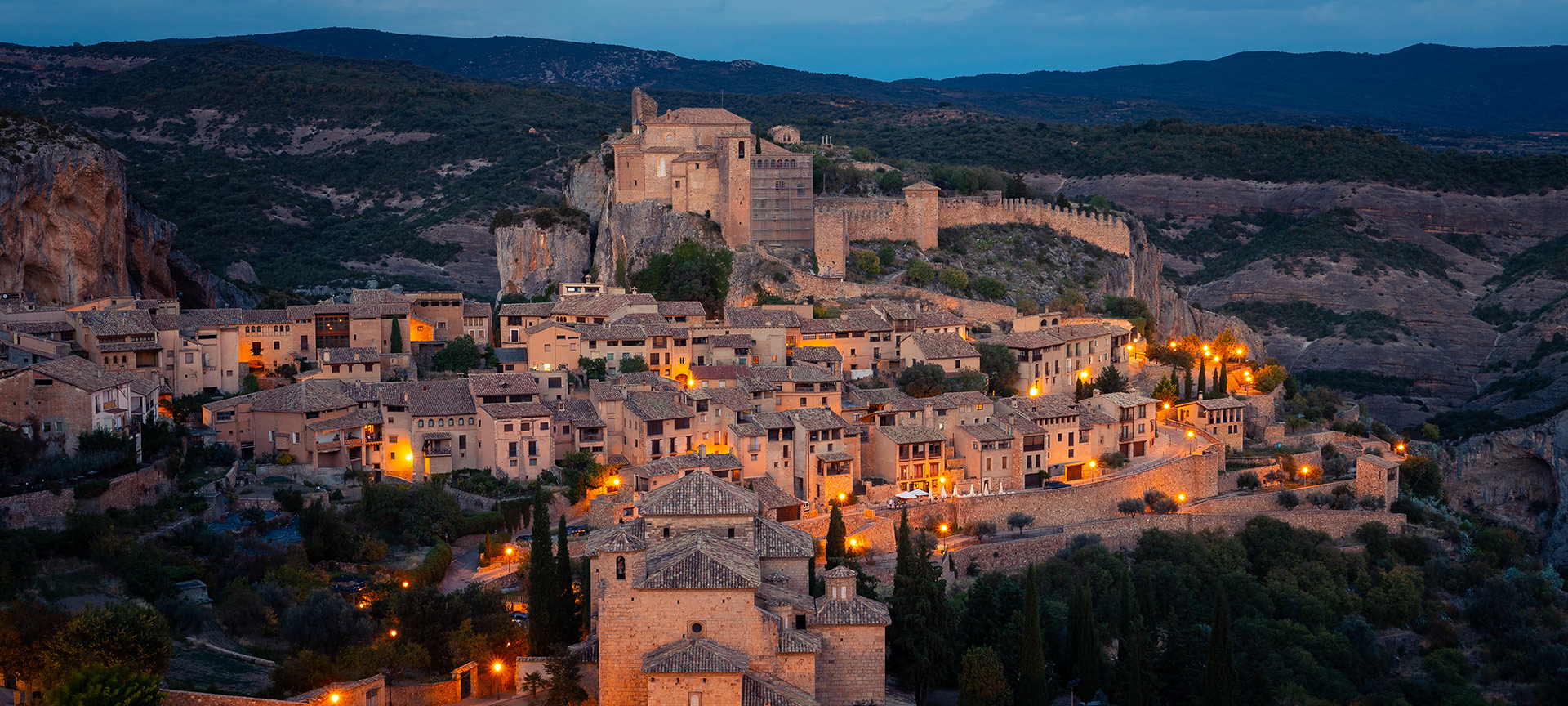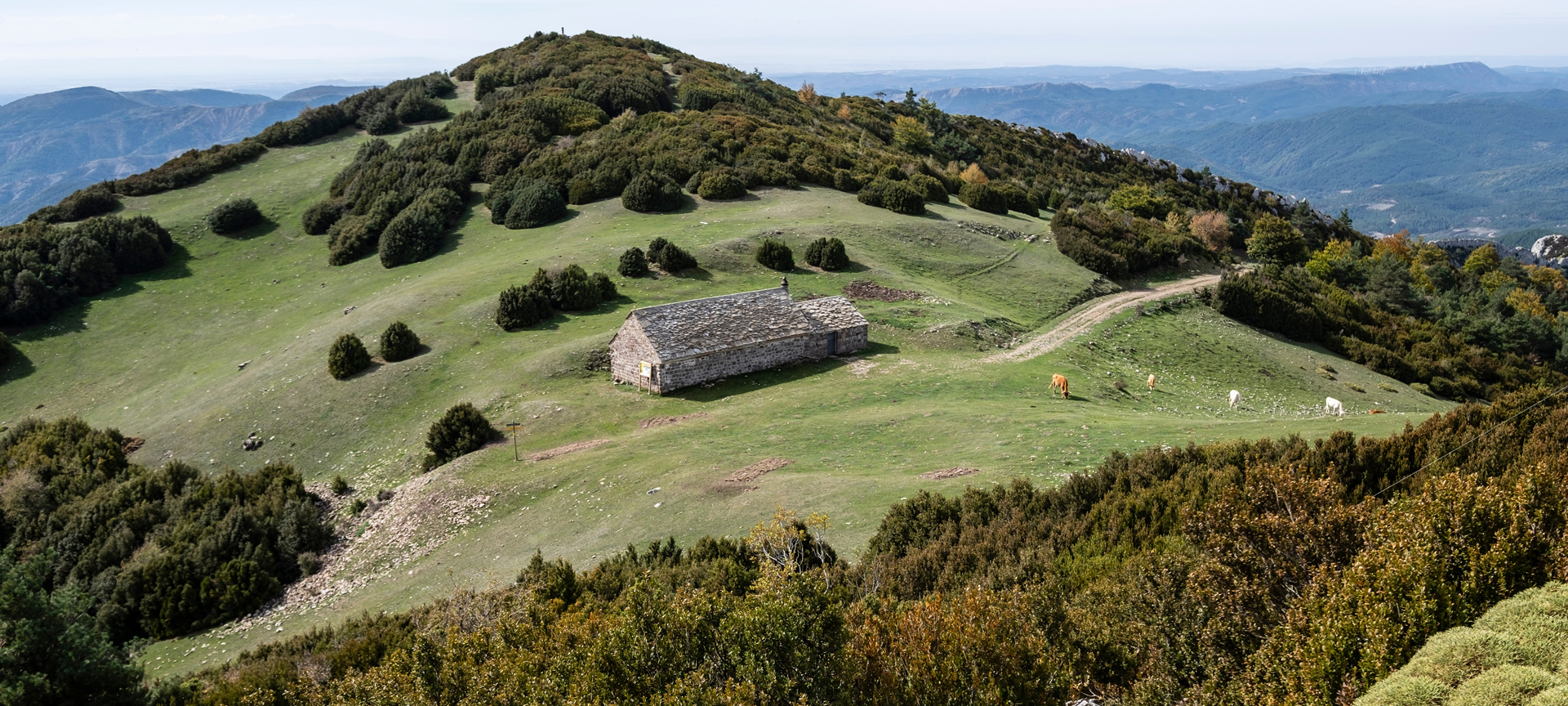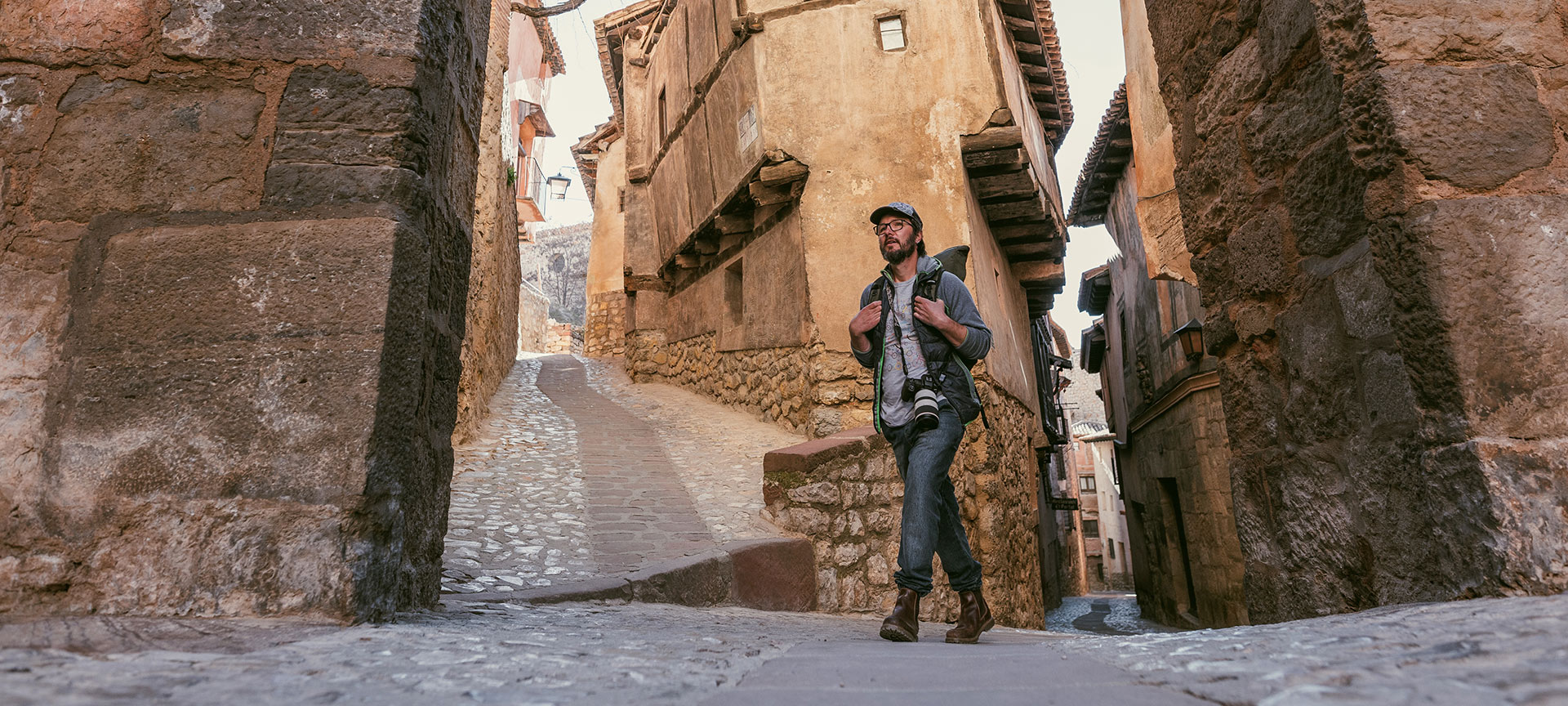
If you plan a getaway to any of Spain's beautiful villages, you're guaranteed peace and quiet, the chance to disconnect, enjoy hidden cultural treasures, breathtaking landscapes, traditional cuisine, and the warmth of its people. But you'll also be contributing to creating job opportunities for local residents, promoting local products, and combating depopulation and over-concentration of tourism.
What rural accommodation or active tourism company to choose
Whenever you choose accommodation, make sure that it has an official badge that guarantees its commitment to protecting the environment. One of the most recognised certifications is Ceres Ecotur, based on the European Ecolabel ECEAT quality system. In Spain, you will find around 50 accommodations (hotels, country house lodges, campsites and hostels) with this certification. You can stay in centuries-old renovated mansions, rural hotels with their own ecological farm, or accommodation located among small fruit plantations.
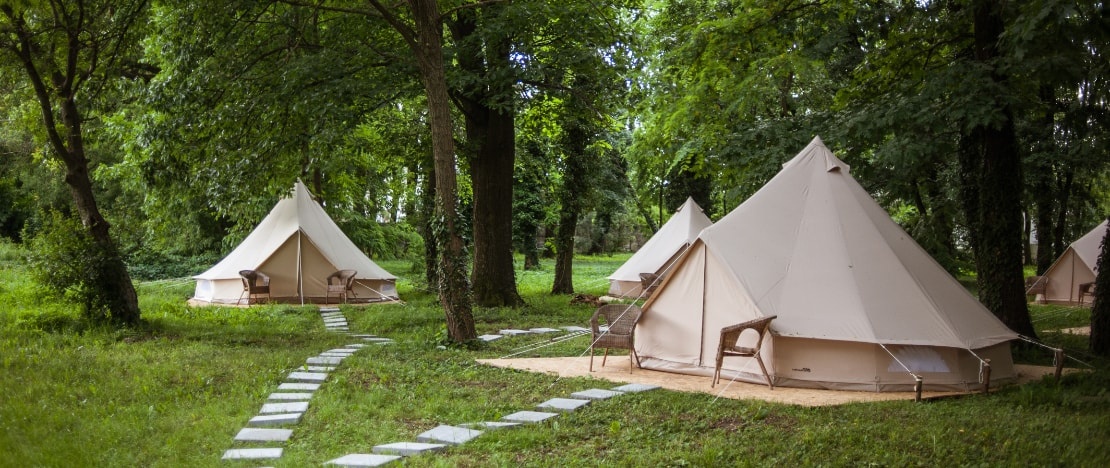
Another option is to choose accommodation, restaurants, or guided activities endorsed by the European Charter for Sustainable Tourism or the Spanish Ecotourism Association. Some examples of what you'll be able to do: a botanical walk and a natural oil making workshop in the Sierra de Aracena and Picos de Aroche, a boat trip along the flysch route through the Basque Country, a hot air balloon ride over the volcanic area of La Garrotxa, being a beekeeper for a day in the Redes Natural Park…
Which village should I choose?
With such a wide variety of villages to choose from, it might help to consider one of the more than 100 towns belonging to the association of the Most Beautiful Villages of Spain, which has received the award for “Best Tourism Product in Spain”. You will be pleased to know that they have all been selected based on criteria such as having a population of less than 15,000 inhabitants or focusing on the conservation of façades and the care for green areas.
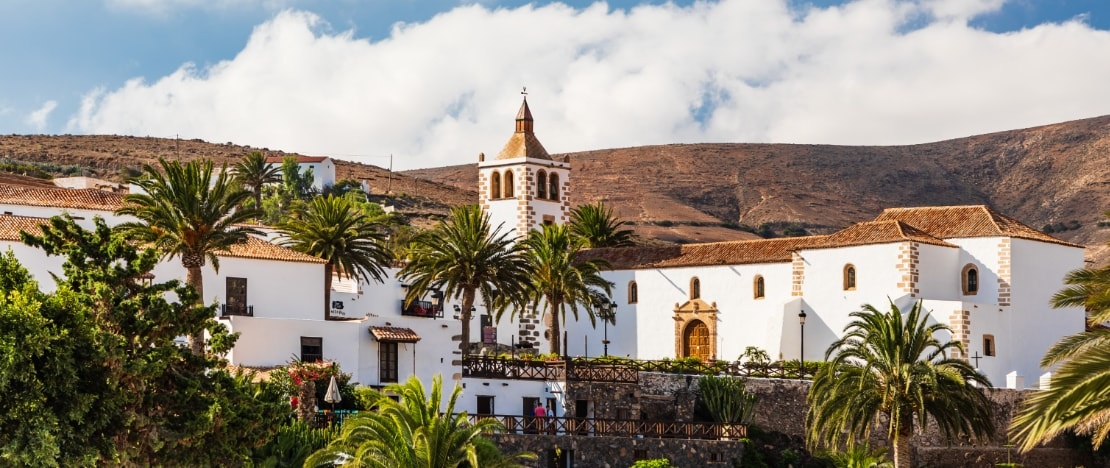
On its website, you will find routes in each municipality as well as information about their centuries-old heritage, most typical dishes and festivals.
"Best Tourism Villages": a commitment to sustainability
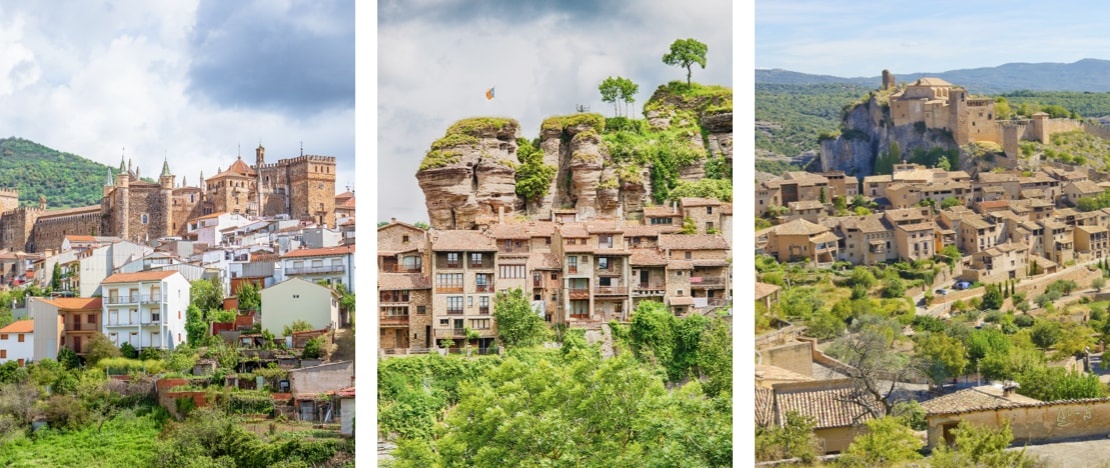
If you want to make a truly responsible choice, you can travel to one of these villages selected by the World Tourism Organization as an example of rural tourism with cultural and natural assets that preserve and promote community values, are committed to sustainability, and seek to make tourism an engine for positive transformation, rural development, and community well-being.The Best Tourism Villages selected in Spain are: Morella (in Castellón), Lekunberri (in Navarre), Alquézar and Aínsa (Huesca), Mura (Barcelona), Rupit (Barcelona), Guadalupe (Cáceres), Cantavieja (Teruel), Oñati (Gipuzkoa), Sigüenza (Guadalajara), Ezcaray (La Rioja) and Agaete (Canary Islands).
Shepherd or miner for a day
Experiencing what an area's traditional trades were like is not only fun, but also expresses your appreciation for the work of many generations. There are countless plans to choose from.For example, in Galicia you can join the shellfish gatherers in areas such as Cambados, put on the typical wellies and work with them on the beach collecting cockles, razor shells...
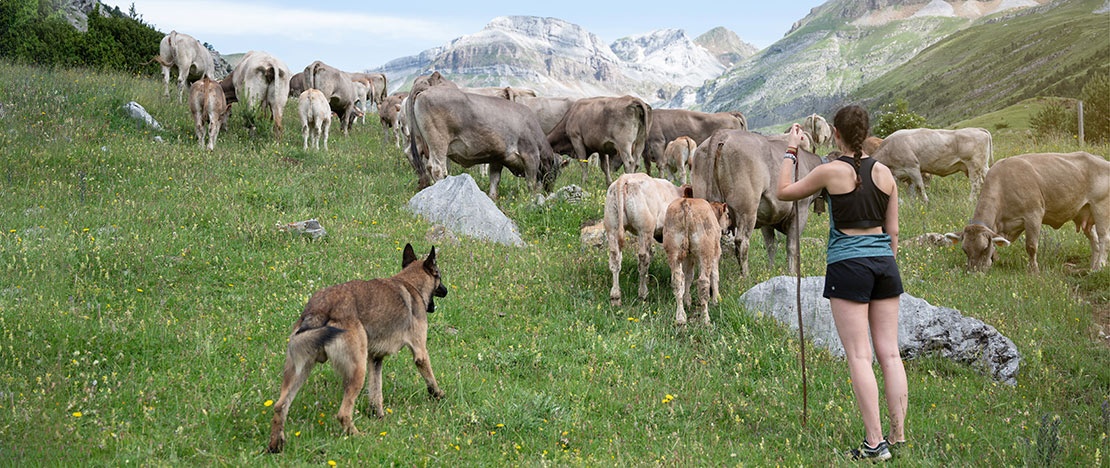
In the villages of the Alpujarra (Granada), you can learn to weave a typical jarapa. In Asturias, Navarre and Euskadi, you will find a multitude of country house lodges where you can stay with the owners and learn about the life of a shepherd dog or work in a vegetable garden.If you'd like to visit a mining town, you can go to the Hiendelaencina Silver Mines (Guadalajara), the Almadén Mining Park (Ciudad Real) and its impressive 700-metre-deep underground mine, the Museum of Mining and Industry of Asturias or the Riotinto Mining Park (Huelva), whose landscapes have been described as resembling Mars on Earth.
Teleworking: an opportunity to revitalise rural spaces
While on holiday, have you every felt “so comfortable that I want to stay here forever”? If you want to be a digital nomad, are willing to live in other parts of the world and are looking for the tranquility of the countryside, Spain can also be your place.

The National Network of Welcoming Towns is made up of a number of towns that are ideal for remote work. On its website, you will find information about each municipality such as the number of inhabitants, whether it has 4G coverage, work spaces, available accommodation...
Villages that help fight the climate crisis, ecovillages and other initiatives
The environmental organisation Greenpeace has selected 10 Spanish towns that emit very little greenhouse gas and contain natural ecosystems that act as carbon sinks.In addition, other Spanish towns have been recognised for their sustainable initiatives, such as Almócita (in Almería) and its concept of an ecomuseum town with events like the Night of the Lanterns (ancestral music in the streets), and Becerril de Campos (in Palencia) and its old Romanesque church converted into a cultural centre for stargazing.
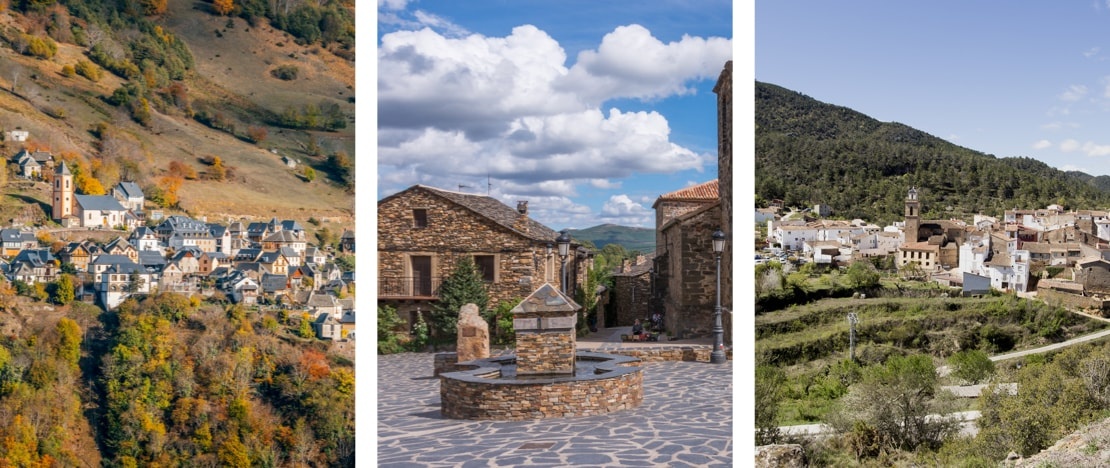
More plans that will surely interest you? Take a ride on the bucolic wooden train that takes you to the beautiful Majorcan village of Sóller via an excursion through the Serra de Tramuntana mountains, or spend a few days in charming coastal towns like Noja (Cantabria) or Baiona (Galicia).And if what you're looking for is a change of lifestyle and a total retreat from big cities, you can always check which destinations are part of the Iberian Ecovillage Network.