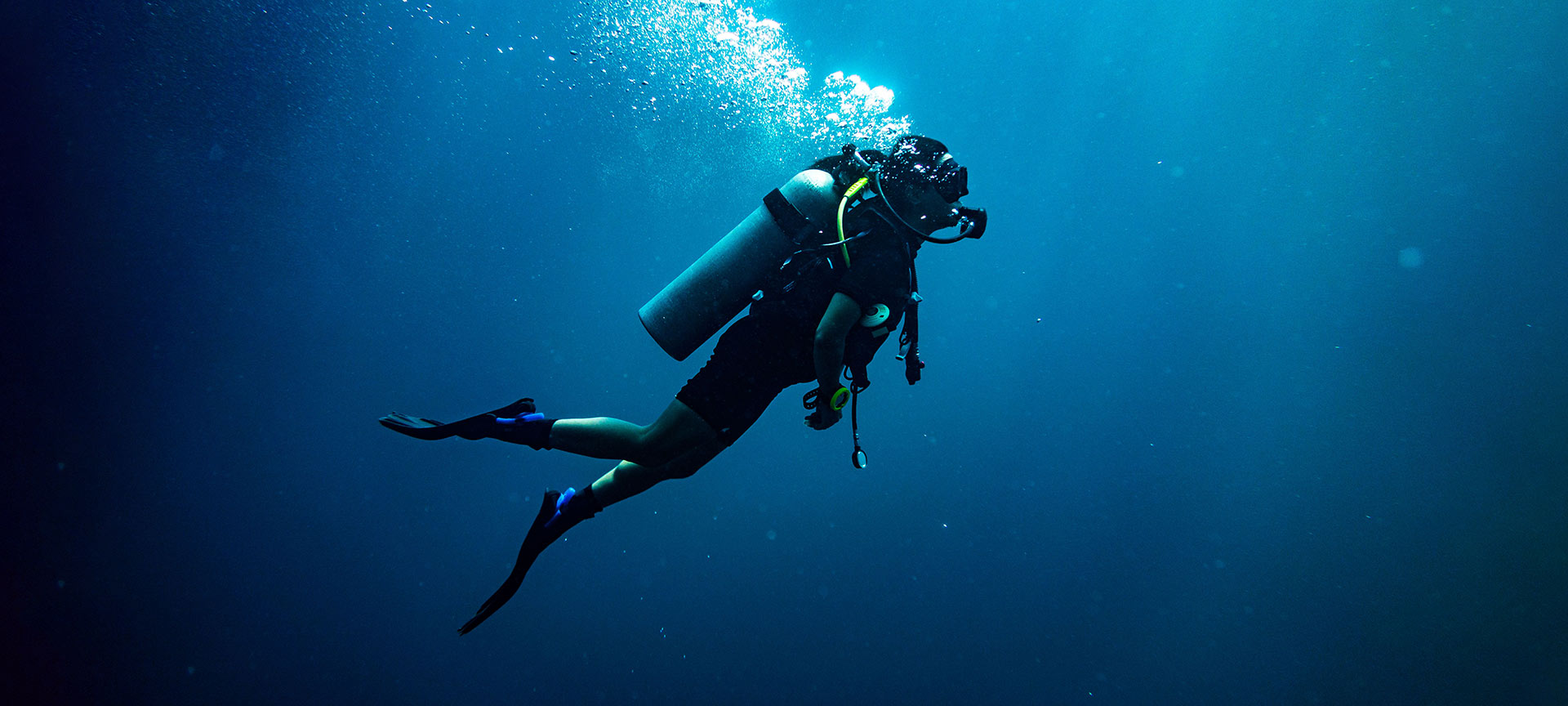
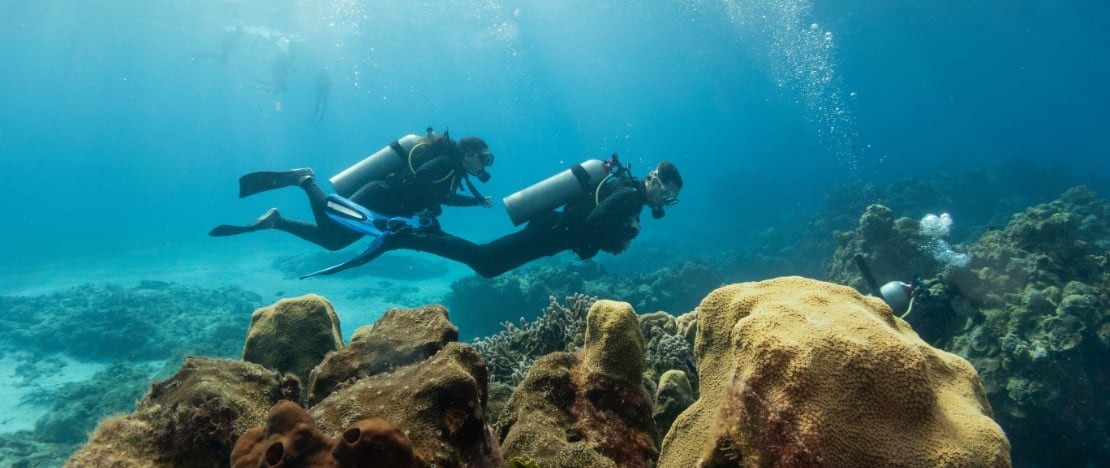
Spain has approximately 8,000 kilometres of coastline, making it an ideal destination for diving enthusiasts, who are increasingly aware of the importance of protecting and conserving these unique natural spaces.Sustainable diving is when divers respect marine life, use their equipment responsibly and do not disturb the ocean's flora and fauna in any way.Want to discover the best areas for sustainable diving in Spain? Read on:
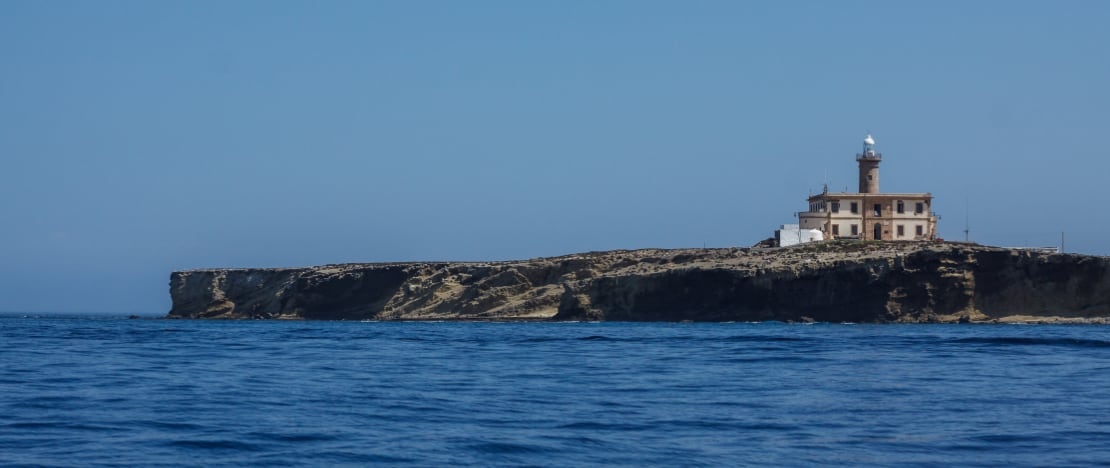
Andalusia
On Isla de las Palomas, in the Estrecho Natural Park, you'll find a wide variety of marine life (moray eels, turtles, sunfish, etc.) and even shipwrecks! The most famous, a steamship called the San Andrés Wreck, has an 18-metre wall teeming with spider crabs, moray eels, lobsters and a wealth of other marine life, ideal for practicing sustainable diving. Also in Andalusia, you can visit the island of Alborán and the islet of La Nube, both part of the Network of Marine Reserves. Here, vast areas of underwater life await you, including coral reefs and kelp forests.
Canary Islands
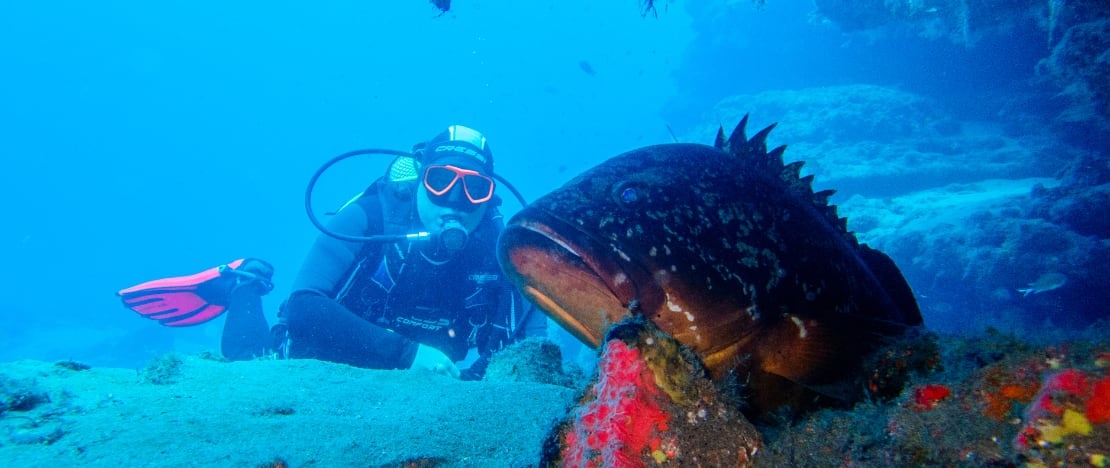
Calm waters and deep dives await you on the island of El Hierro, where, thanks to its stable temperature, you can dive year-round. Here, underwater photography enthusiasts will find a wide variety of fish and black coral—a spectacular sight to capture.You'll find different dive sites on any of the islands. Their volcanic landscape, full of reefs and caves, makes them one of the most popular destinations for scuba divers.
Balearic Islands
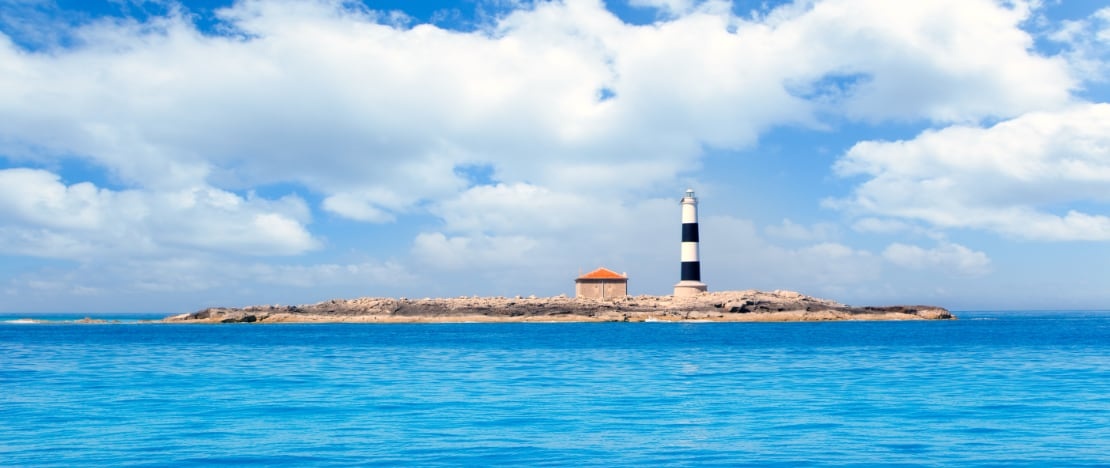
In Formentera you'll enjoy a unique environment, classified as a World Heritage Site by UNESCO. Ideal for beginners, it boasts visibility of up to 50 metres and warm waters throughout the year. Immense meadows of Posidonia oceanica, caves, cliffs and endless animal and plant life await you.Or, if you prefer, you can visit the Fornells Marine Reserve in Minorca. As a protected area, diving requires authorisation, but it's well worth the effort, as its crystal-clear waters are home to abundant marine life.
Galicia
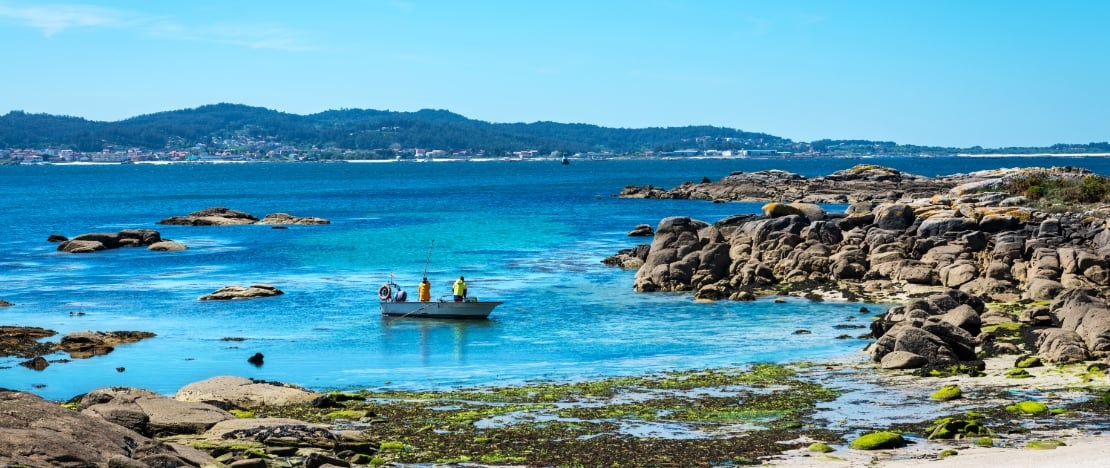
In the north of Spain you will also find a rich natural and marine heritage for diving, as Galicia belongs to the WAOH! Route (Wildsea Atlantic Ocean Heritage Route), which promotes green coastal tourism through the first European Sustainable Diving Route: coastal ecotourism in the Rías Baixas, unique adventures on the Costa da Morte, and breathtaking seabeds in Mariña Lucense await you on your trip to Galicia.
Catalonia
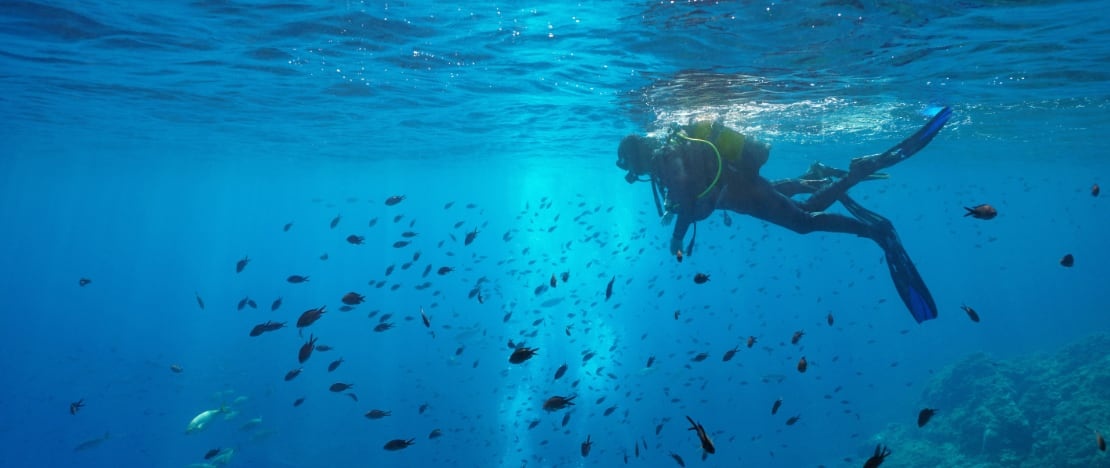
In the Cap de Creus Natural Park, you can visit a protected natural area where diving in clear waters allows you to observe a wide variety of flora and fauna. In Catalonia, you'll find areas for all levels, from shallow waters for beginners, such as Bau del Moli, to deeper areas like Illa de la Massa d'Or, ideal for more experienced divers. Projects such as the Blue Underwater Life Park in Almuñécar and sustainable diving in marine reserves aim to make Spain a leading destination for underwater enthusiasts. Come and discover it!
Tips and recommendations
Some dive sites are protected areas, so it's advisable to check with local dive centres beforehand.- Use sunscreen suitable for reefs and corals.- Control your buoyancy to avoid stirring up sediment or damaging the seabed.- Do not take photos or videos if it will harm or disturb marine life.- Do not throw waste into the sea.