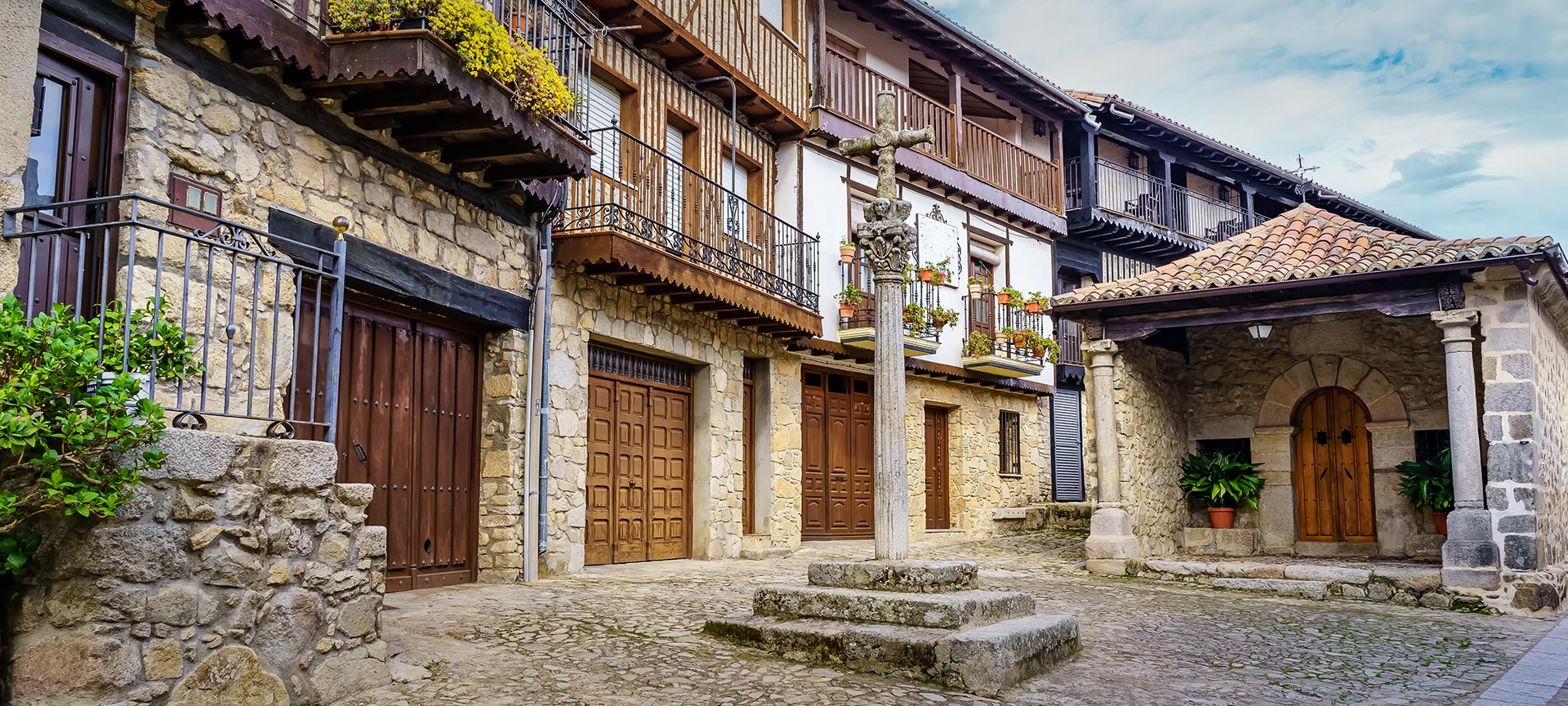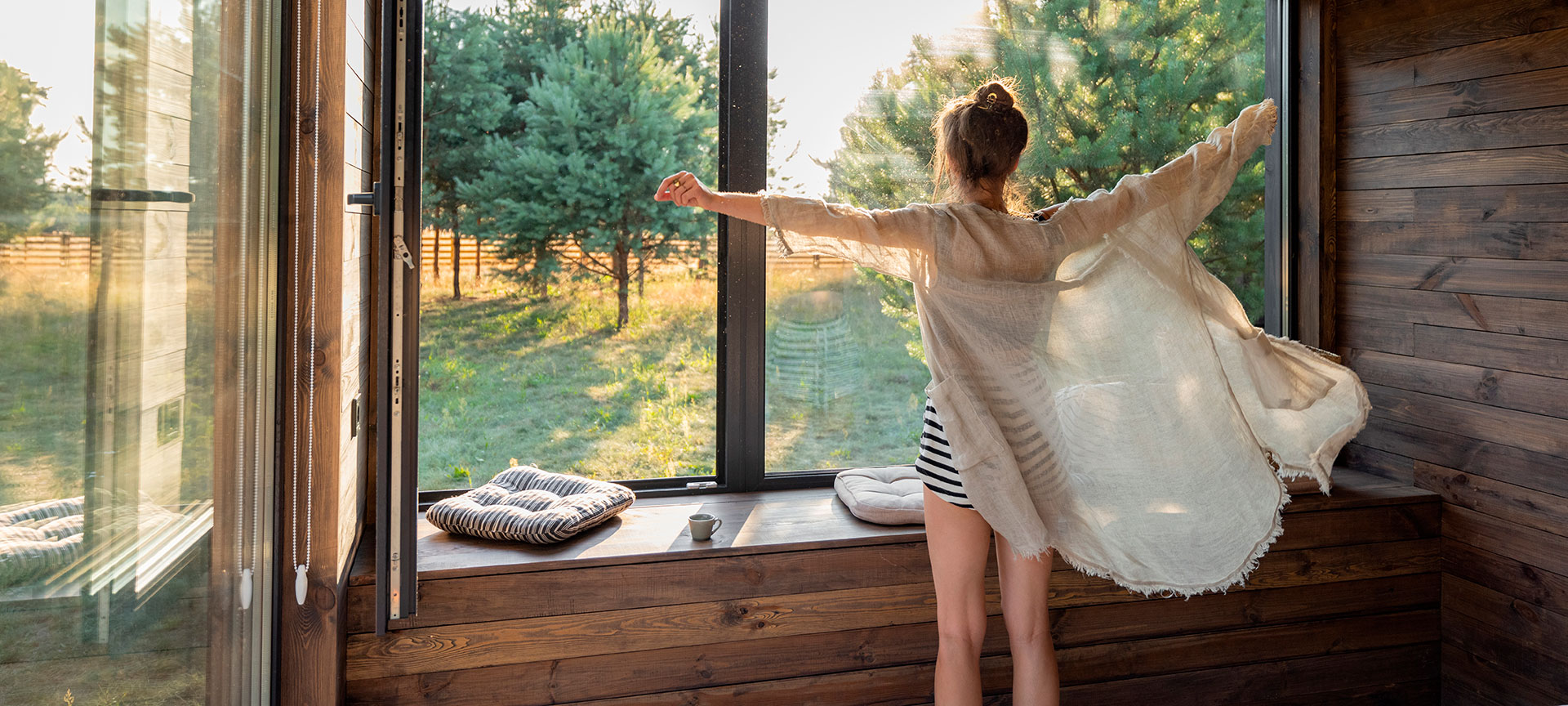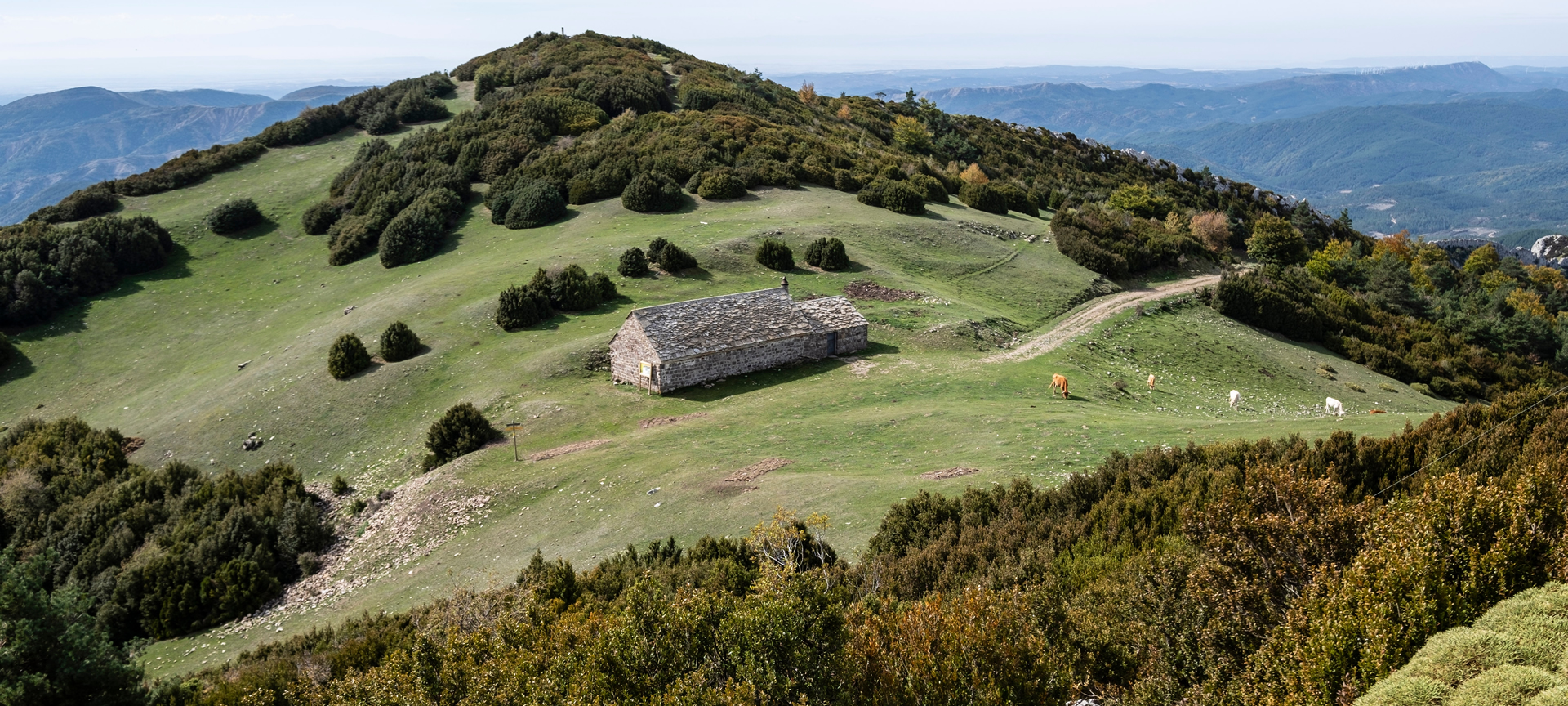
Did you know that there are many small towns and villages in Spain where you can do what you love and also contribute to the development of the area? When you visit them, you'll not only enjoy nature, rural heritage, and outdoor activities in a healthy and peaceful environment. You'll also experience travelling at a different pace: connecting with local traditions and customs and letting the locals guide you to discover the best of each place.
Art and "talking walls" in the Sierra Norte of Madrid
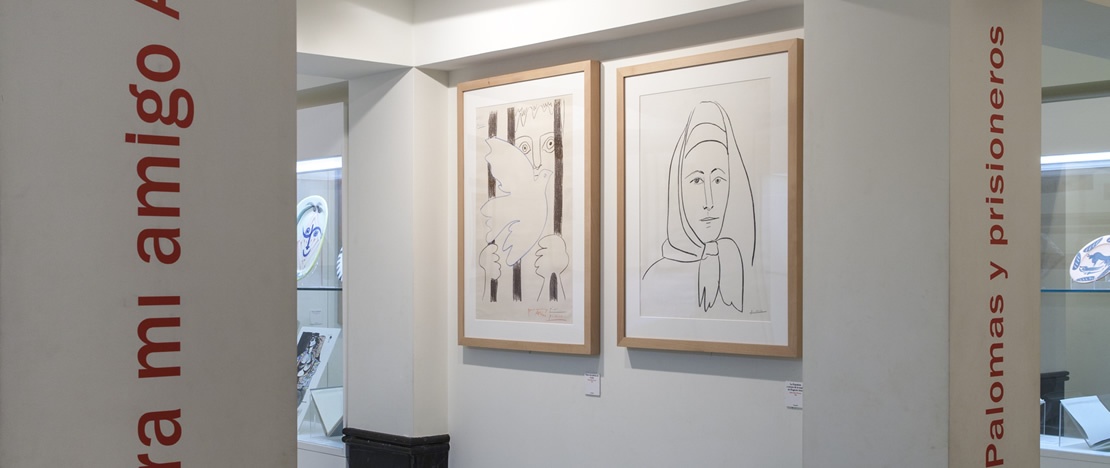
Culture, authenticity, landscape, and sustainable awareness. All this is to be found in the Sierra Norte of Madrid, where four of the eleven Villas de Madrid are located: Buitrago del Lozoya, Rascafría, Patones and Torrelaguna. Here, for example, you can cool off in the natural pools of Riosequillo and Las Presillas; visit the Picasso Museum-Eugenio Arias Collection to see the more than 70 pieces that Picasso gifted to his barber, with whom he formed a close friendship; or admire, in the cloister of the Monastery of El Paular, the masterpiece by the Italian painter Vicente Carducho: the 54 large-format paintings of the "Carthusian Series," restored by the Prado Museum. Along its streets, you'll also see striking urban art façades inspired by the landscapes, customs, and traditions of the region. They are part of the "Paredes que hablan” (Talking Walls) initiative, in which 31 artists have participated to create a unique collection of 42 street art murals spread throughout the various municipalities of the Sierra Norte of Madrid. The best part? You can enjoy them all by hiking, without needing to use motorised vehicles, since the towns in the area are connected by the Carpetania network of marked trails. A perfect sustainable tourism option that also gives you the opportunity to contribute to the Carpetania Forest reforestation project.
Following the GR 7 route through Castellón in search of its charming villages
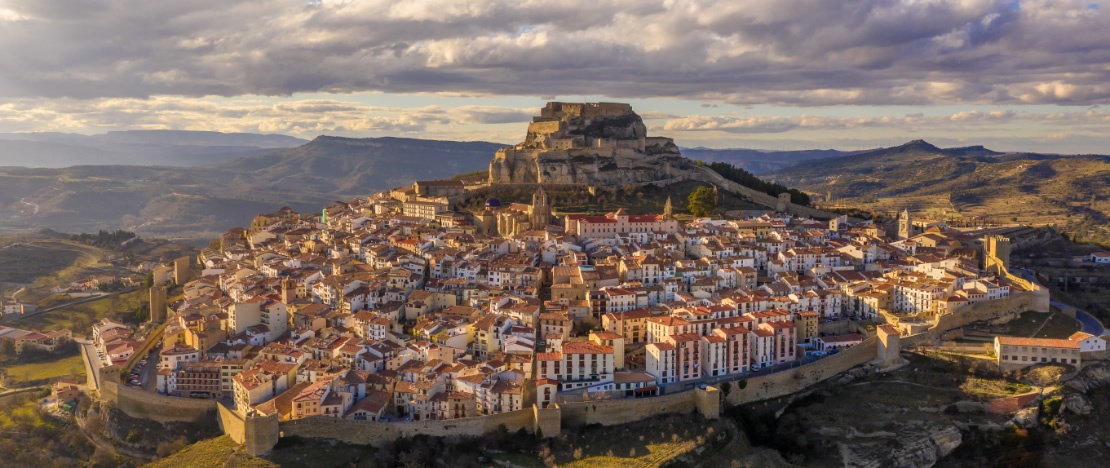
Did you know that the first long-distance path marked in Spain was the GR 7? This route, part of the E4 European long distance path, crosses the eastern coast of the Iberian Peninsula from north to south, from the town of La Farga de Moles (Lleida) to Tarifa(Cadiz). As it passes through the Region of Valencia, it covers almost 600 kilometres, crossing many small villages and tourist destinations such as Ontinyent, Alcoy and Elda. In fact, if you follow this great hiking route along its initial Valencian stages you will discover some of the most beautiful villages in the province of Castellón.This is the case of the route that begins in Vallibona, a picturesque village perched on a hill overlooking the Cervol River, known for its traditional architecture. From there, after a little over 16 kilometres, you will reach the medieval gem that is the castle and walled town of Morella. The next section continues for another 25 kilometres through the beautiful landscape of the Maestrazgo region, heading towards the peaceful and welcoming town of Ares del Maestrat. If you climb to the top of the hill where the remains of its castle stand, you will be rewarded with a spectacular panoramic view of this mountainous area of Castellón. The next stage is an 18-kilometre journey that culminates in the beautiful village of Culla. Apart from the pleasure of strolling through the narrow streets of its old town, you can take the opportunity to see its famous holm oak, a 20-metre-tall tree with a 7-metre trunk circumference, declared a monumental tree in the Region of Valencia.
Villages to stay and live in, in Aragon
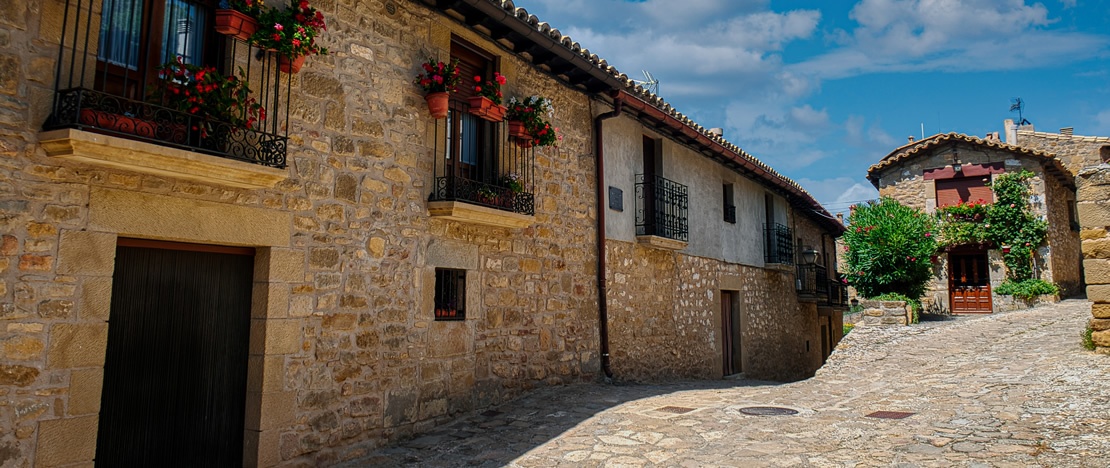
Enjoying ecotourism as a family is just one of the great attractions of the Cinco Villas region, where you will find the Sierra de Santo Domingo Protected Landscape, recognised with the European Charter for Sustainable Tourism (ECST). Despite its name, it is actually the largest region in Aragon, comprising some thirty municipalities. In this territory, which is part of the “Pueblos vivos” (Living Villages) project to combat rural depopulation, you'll find beautiful medieval-style villages like Sos del Rey Católico, Uncastillo, Ejea de los Caballeros, Sádaba and Tauste, brimming with monuments, history, and surprising corners.You will have the opportunity to discover the area's rich heritage, the contrasts of its surroundings, its traditions, and the way of life of its inhabitants through numerous tourist experiences: from hiking and mountain biking routes to workshops and children's activities, or guided tours of sustainable farms and livestock farms. You'll surely want to stay and live there someday.