Spanish fiestas and traditions are one of the country's many attractions. The wide variety of celebrations and their peculiarities will captivate you from the offset. From the biggest city to the smallest village, they can surprise you any month of the year with their unique festivities. And no two are alike. So come and discover them for yourself!Here is a sample of 10 original fiestas that you will remember forever, most of them held in charming towns and villages. These events highlight traditional customs and ways of life without losing sight of sustainability and protecting their environment. Come and join in the fun as if you were just another local and remember that there are many more, all over Spain and every month!
La Vijanera
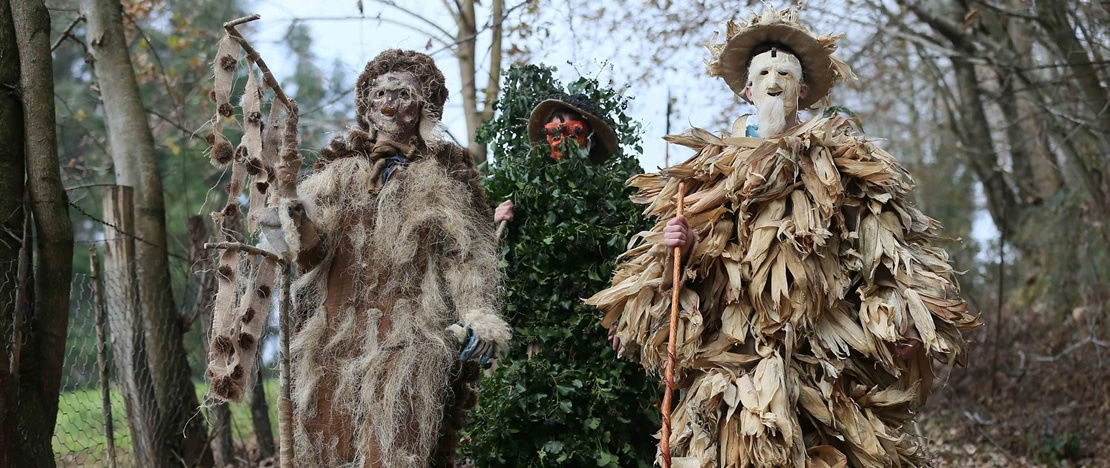
Where: Silió (Cantabria)When: first Sunday of JanuaryAt the beginning of the year you can enjoy this kind of carnival or masquerade of pre-Roman origin. Dozens of unique characters from the local tradition and mythology star in La Vijanera , dressed in costumes made from natural elements such as cattle skins, rags, tree or corn leaves... They parade, dance defending the village boundaries, recite couplets summarising the events of the past year and symbolically capture the bear, giving the festival a great ethnographic value.
Tamborrada
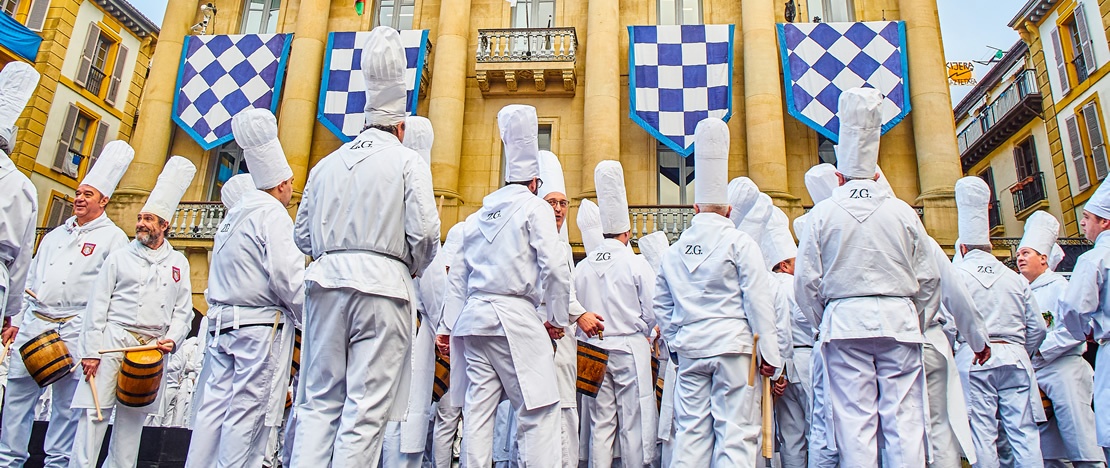
Where: Azpeitia (Gipuzkoa)When: 19 and 20 JanuaryThe sound of hundreds of drums will surprise you at this festival in the Basque Country. The locals dress up as Napoleonic-era soldiers, cooks, fishermen... to perform traditional percussion marches that are sure to move you.This noisy popular celebration coincides in dates and motifs with the famous Tamborrada of San Sebastián, in the capital of the province of Gipuzkoa.
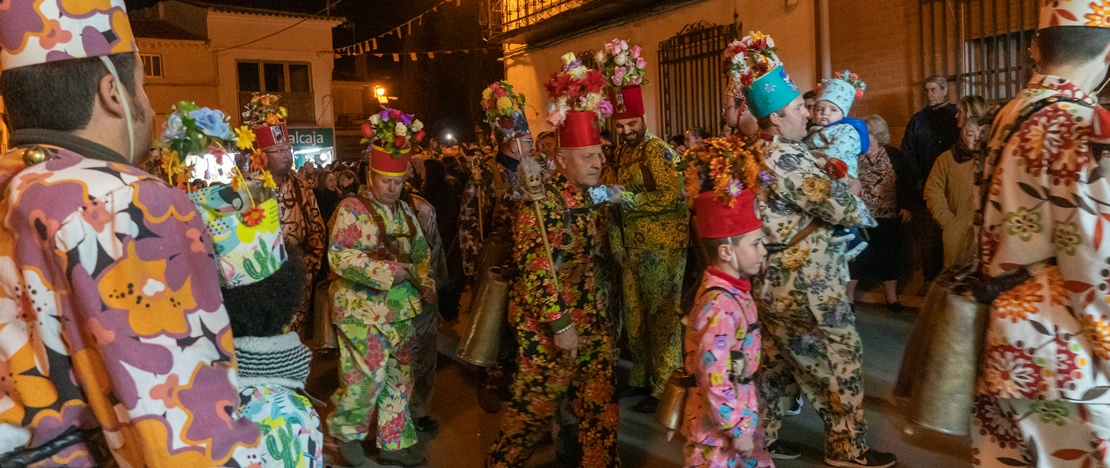
La Endiablada
Where: Almonacid del Marquesado (Cuenca)When: 1 to 3 FebruaryStroll through this little village in Cuenca where the devils take over the streets! You will enjoy an eye-catching party. Dozens of “devils” dance around you in a disorderly fashion, dressed in extravagant costumes: flowered cap, colourful suit, donning large cowbells. At the same time, the danzantas, a group of girls in much warmer and more orthodox attire, dance harmoniously to symbolise the contrast between chaos and order.
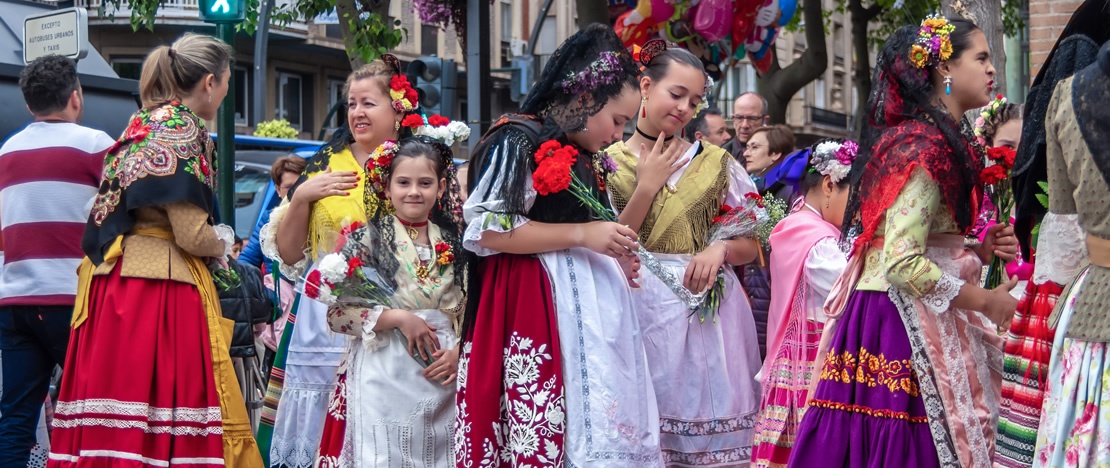
Bando de la Huerta
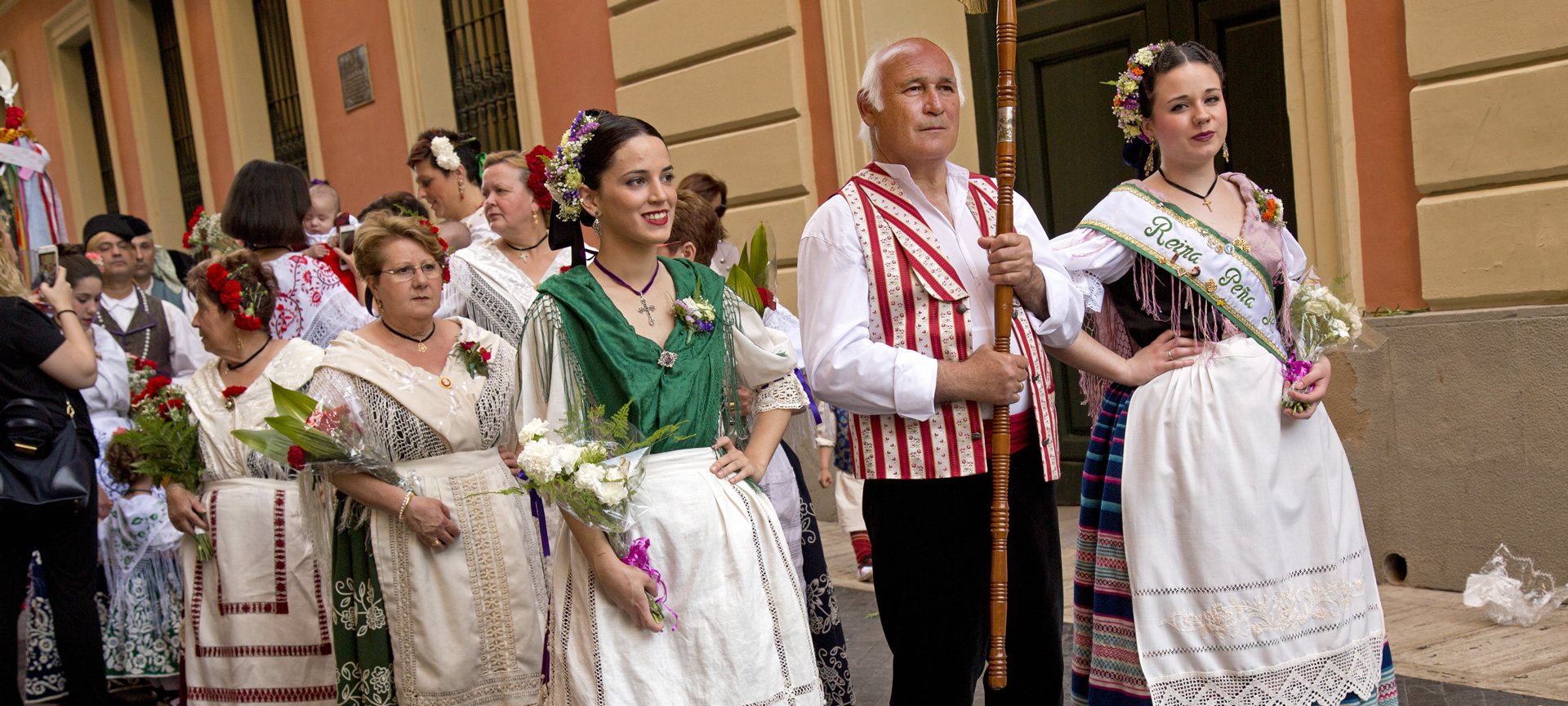
Where: MurciaWhen: first Tuesday after EasterThe city of Murcia, in south-east Spain, is known for its surrounding orchards from which much of its gastronomyis harvested. The Bando de la Huerta festival is a tribute to the region and its inhabitants.This is the big day of the Murcia Spring Festival, when the citizens, accompanied by floats, parade in their traditional regional dress and make floral offerings to the Virgin Mary. A unique opportunity to sample local Murcian cuisine.
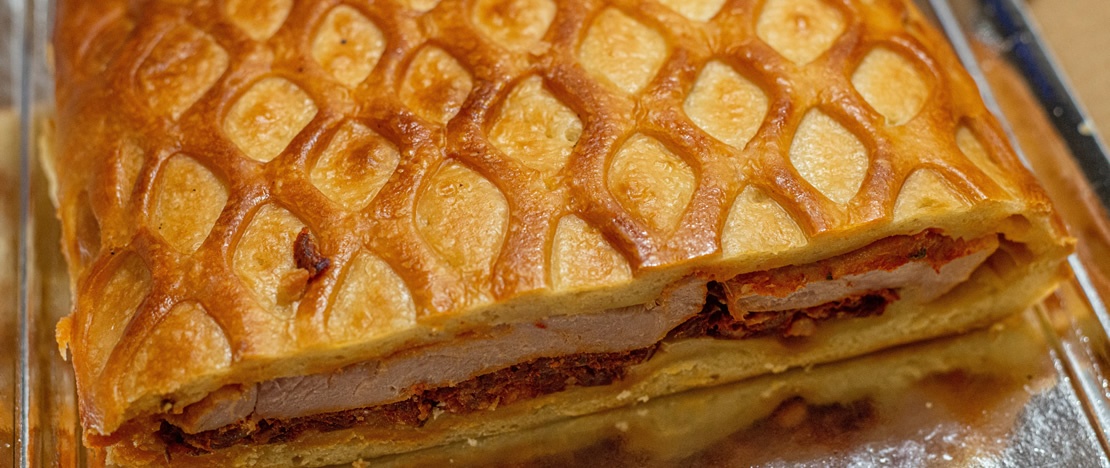
Lunes de Aguas (Water Monday)
Where: SalamancaWhen: first Monday after EasterJust after Holy Week, in the university city of Salamanca , people gather on the banks of the river Tormes for this celebration linked to the end of penitence.Join us for a pleasant day in the countryside and try the delicious hornazo, a pie filled with sausage typical of this time of year. The festivities include entertaining events such as a traditional parade featuring large, oversized figures and people with giant heads. In order to minimise the environmental impact, it is forbidden to build fires or use glass containers.
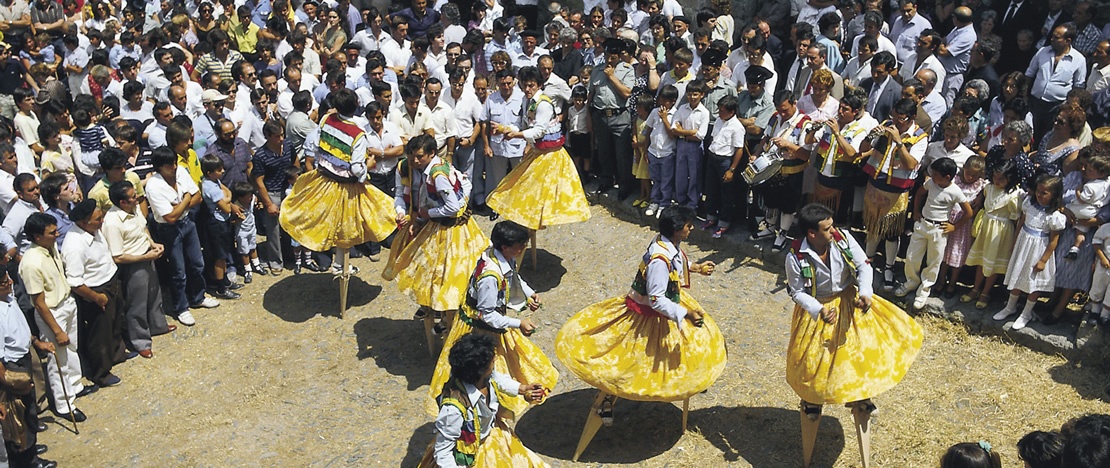
La Danza de los Zancos (Stilt Dance)
Where: Anguiano (La Rioja)When: 21-23 July and the last weekend of SeptemberIt is one of the most spectacular events celebrated at festivals in La Rioja. You'll be fascinated to see the eight dancers in action, perched on their half-metre wooden stilts with their big yellow skirts fluttering as they spin down a cobbled street at full speed. They also play the castanets at the same time. It’s incredible!
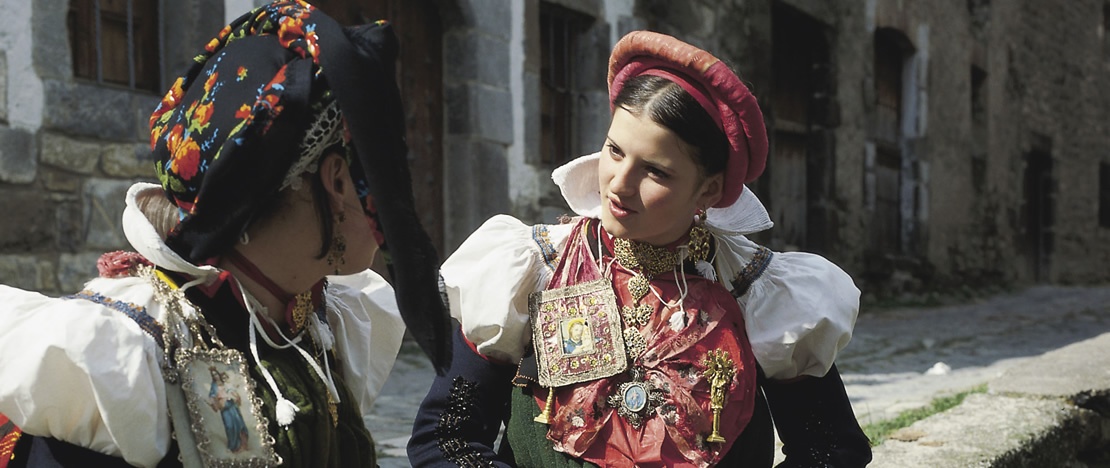
Day of the Typical Ansó Costume
Where: Ansó (Huesca)When: last Sunday in AugustMany celebrations feature Spanish traditional dress throughout the country, each with its own peculiarities. But if there is one festival where the costume is the undisputed star of the show, it’s the one in this small cobbled village in the Huesca Pyrenees. The Day of the Typical Ansó Costume which pays tribute to its medieval attire. The festive atmosphere includes period theatrical performances, folkloric dancing of the Aragonese jota, parades, food tastings and a parade during which the composition of the different costumes is explained.
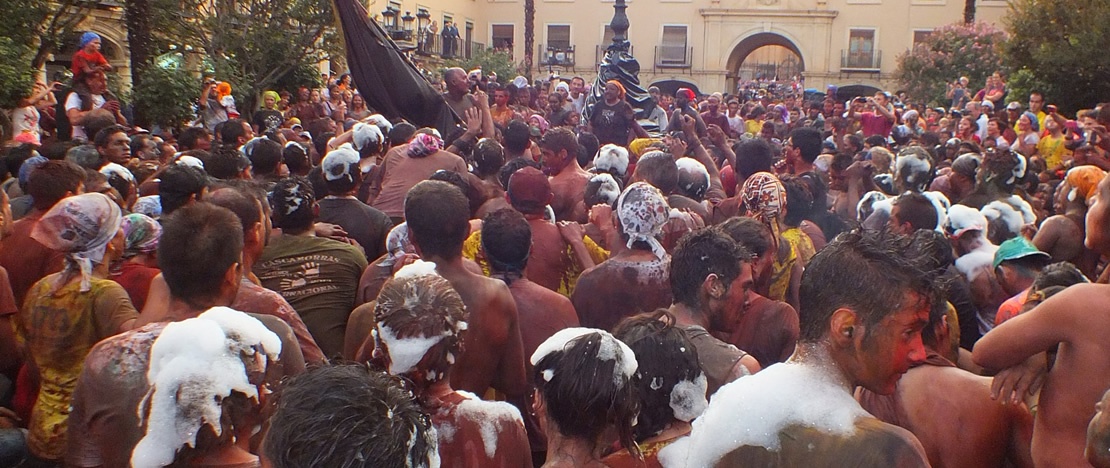
The “Cascamorras”
Where: Baza and Guadix (Granada)When: 6 to 9 SeptemberThe Cascamorras is a kind of harlequin who is sent from Guadix to Baza every year to try and seize the image of the Virgin of Mercy. But according to legend, he can only take the carving if his clothes are completely clean ("immaculate"), and the inhabitants of Baza accompany him on his journey from the outskirts to try to smear him with black paint. The City Council prepares thousands of litres of this dye so that it is plant-based and environmentally friendly. After failing in his mission, on his return to Guadix it is the locals who stain the Cascamorras, but this time in red.
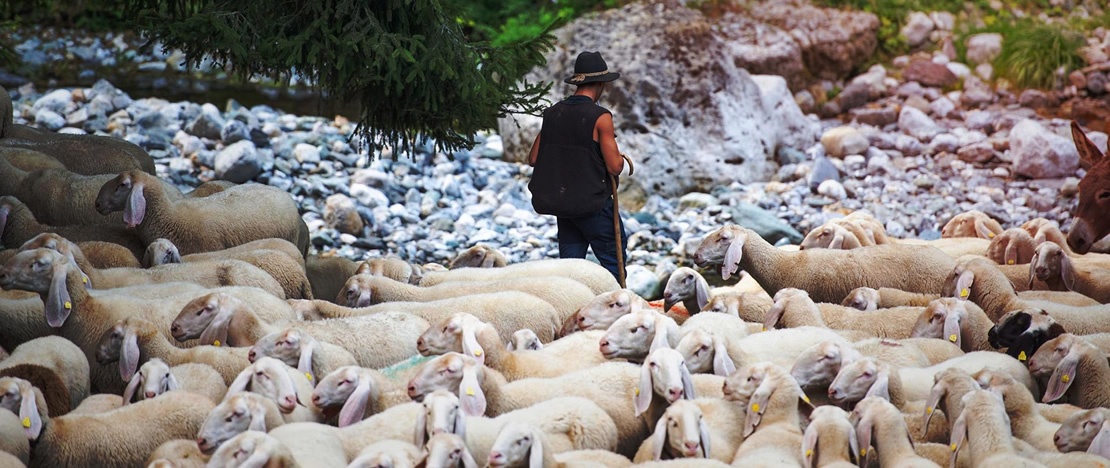
Transhumance Festival
Where: Tineo (Asturias)When: one Sunday in SeptemberThe millenarian tradition of transhumance, inscribed a as UNESCO Intangible Cultural Heritage, is a controlled migration of livestock with their herders, from summer to winter pastures.Several places in Spain mark this tradition, for example, it is quite a spectacle when the sheep take over the most central streets of Madrid for a day in the middle of autumn. The celebration of this festival is also very special in Asturias, in the concello (municipality) of Tineo. Here the annual journey of the 'vaqueiros de alzada' is recreated, who in winter lived with their cows near the coast and in May migrated with their family and herds to the high meadows. You will find Spanish traditional dress, local livestock and many local gastronomic products.
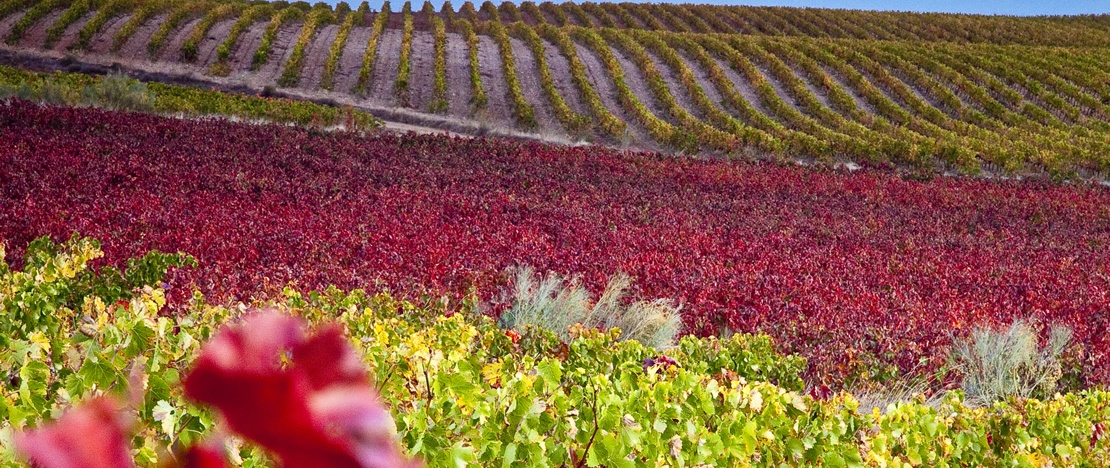
Grape harvest festival
Where: Cariñena (Saragossa)When: end of SeptemberOne of the strong points of Spanish gastronomy is its excellent wines, with nearly a hundred Protected Designations of Origin (PDOs). This traditional wine-making culture is celebrated in the numerous grape harvest festivals.Take, for example, the one in Cariñena, in the province of Zaragoza. The winemakers of this PDO stand out for their efforts to save water and energy or to use natural pest controls in the vineyards. You'll be able to attend spectacular shows, such as the treading of the grapes, to obtain the first must, the “miracle” of La Fuente de la Mora (where the fountain in the town square actually flows with wine instead of water), musical performances and, naturally, wine tasting!
As you can see, taking part in these and other festivals is one more reason to come and get to know Spain and contribute to the survival of its cultural essence. Get inspired with more ideas on our Sustainable Tourism portal.